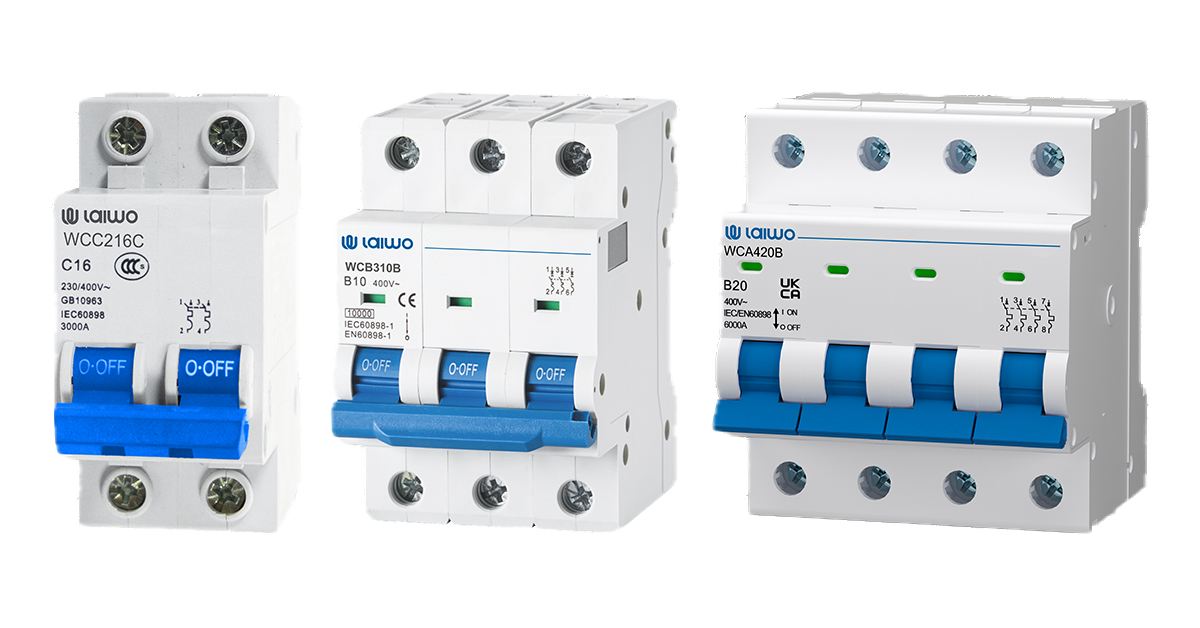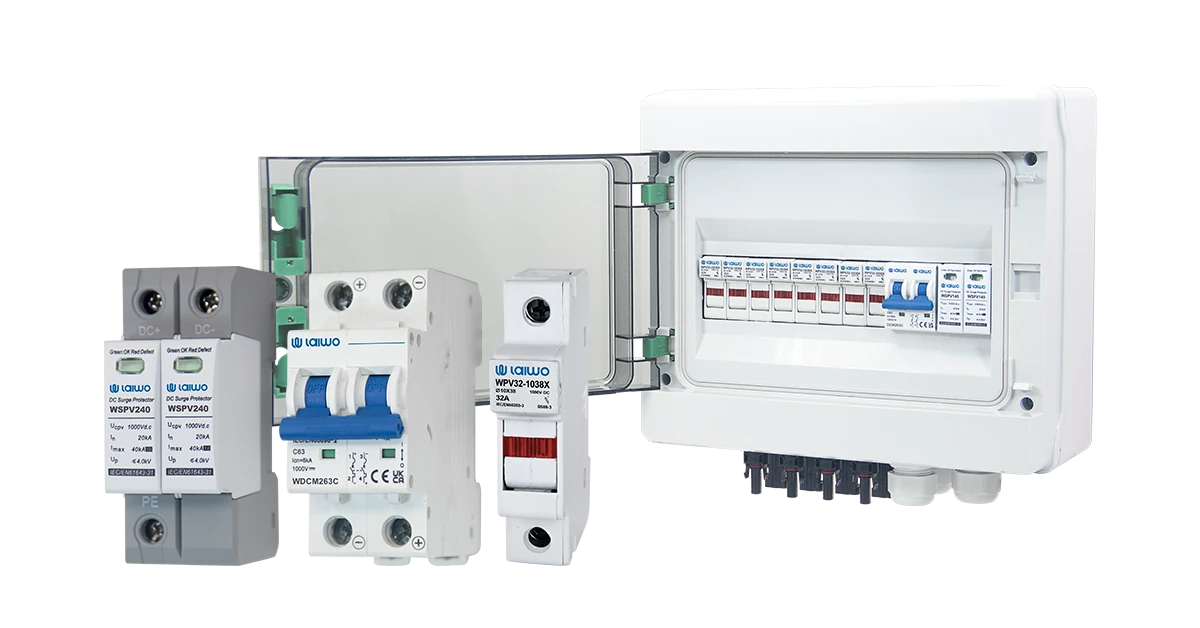
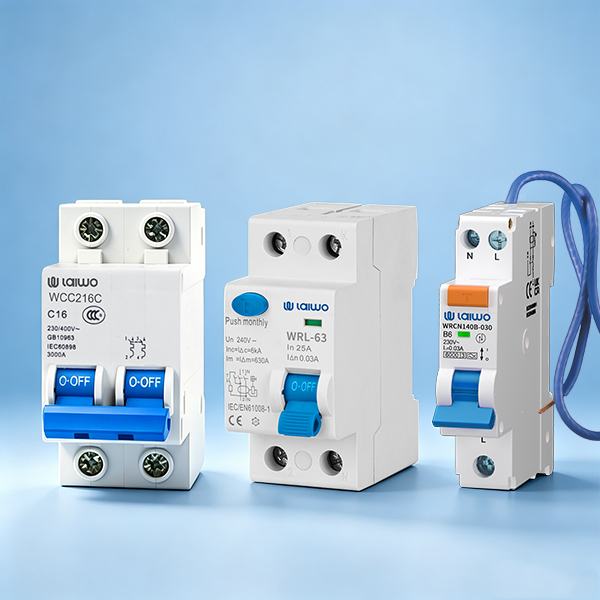
- AC and DC arc interruption conditions are different.
- Check the DC voltage rating and pole arrangement on the exact model.
- Do not rely on matching current ratings alone.
- Ask for the manufacturer's approved connection diagram and data.
Why DC interruption is different
Alternating current naturally passes through zero, which assists interruption. Direct current does not provide the same natural current zero, so arc control, contact design and connection arrangement become especially important.
Data to verify
- Maximum DC system voltage
- Number of poles used in series
- Polarity and approved wiring arrangement
- DC breaking capacity
- Ambient conditions and enclosure installation
Solar and battery applications
PV strings, battery systems and other DC applications can have different fault characteristics. The protection scheme should be selected for the system and supported by an approved manufacturer datasheet.
Procurement warning
Never approve an AC-marked breaker for DC use only because the current rating matches. Verify that the exact device is rated and documented for the proposed DC voltage and connection.
Final product selection must be checked against the project design, destination-market requirements and the approved manufacturer documentation for the exact model.