Application solutions

Solutions organised around how buyers build, install and sell.

Six application paths — residential, commercial, EV, solar, panel-builder and private-label. Each starts with what the installation needs.

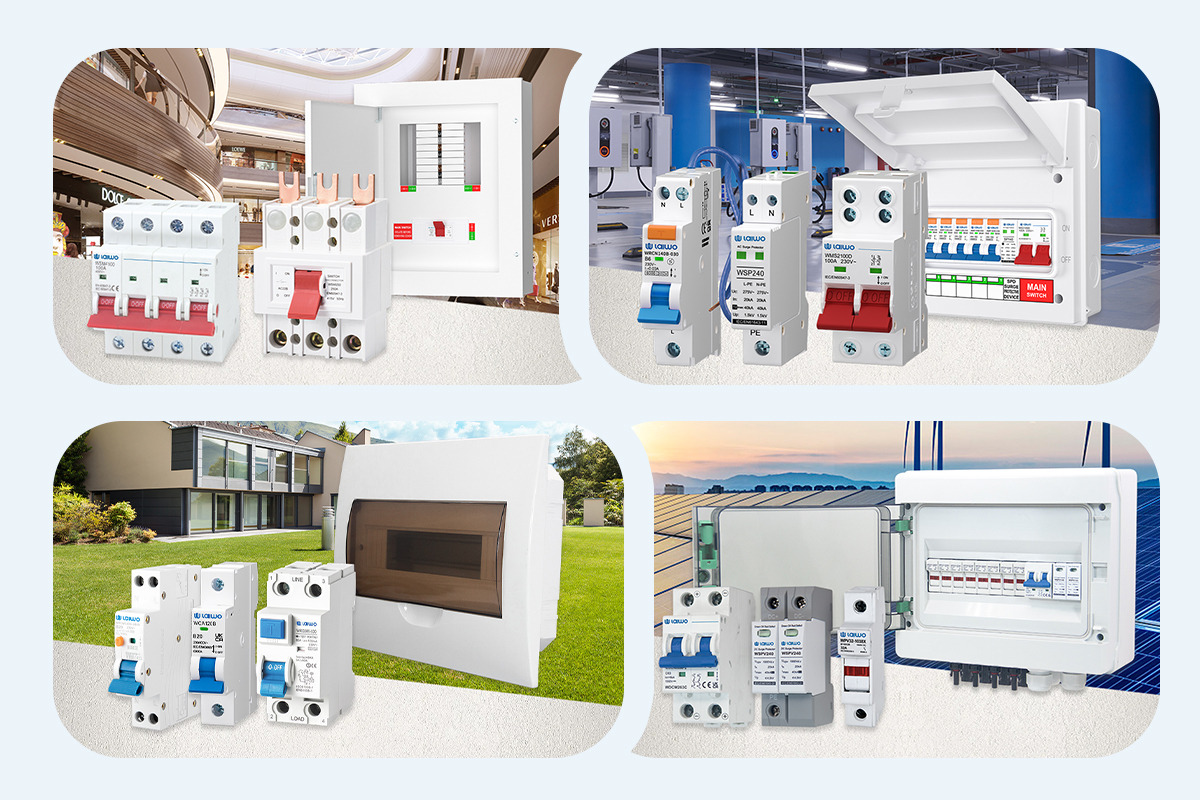
The four application paths side by side: a commercial board, an EV charging unit, a residential distribution box and a solar DC enclosure, each with its protective devices

Six practical paths, one per application.

Each path connects application risks, suitable product groups, standards direction and a project-specific inquiry.

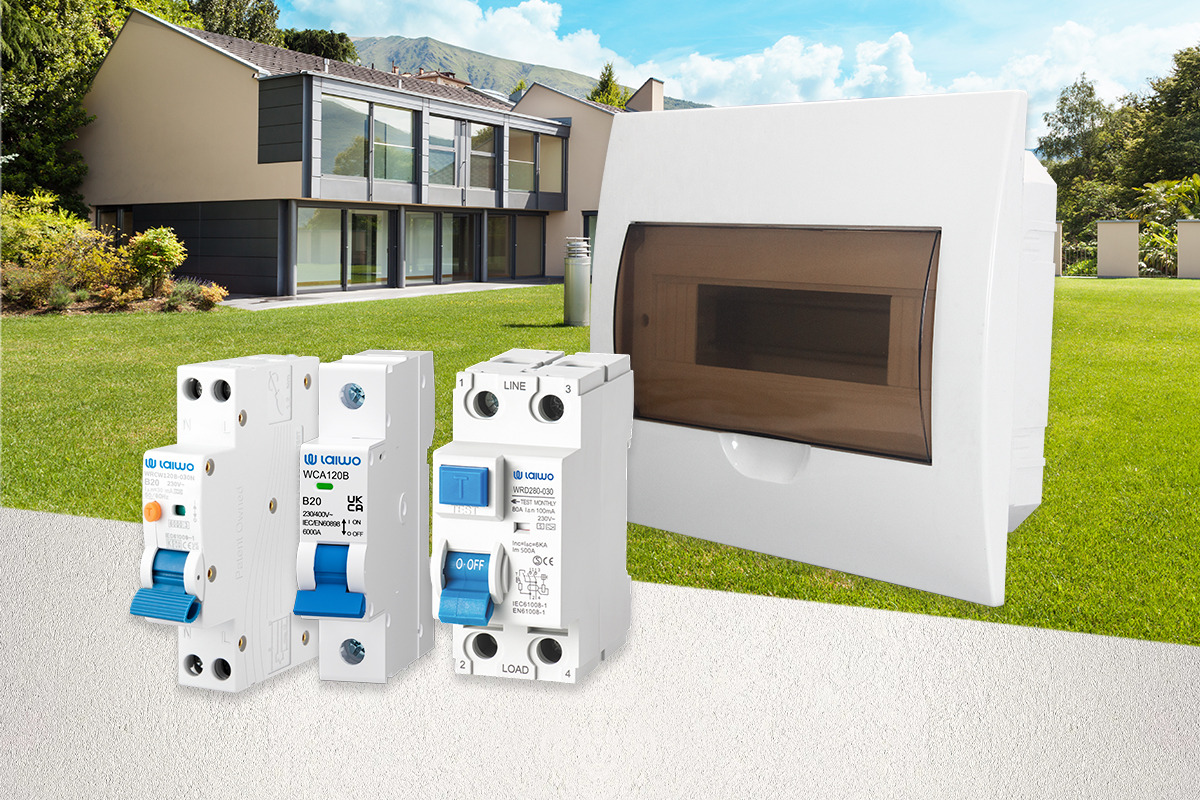
Residential distribution range shown against a house exterior: a plastic distribution box with the lid open on its DIN rail, beside an MCB, an RCCB and an RCBO
Residential Electrical Distribution

Residential Electrical Distribution

For distributors and electrical brands developing a residential distribution range, product selection starts with the protection arrangement, usable ways, enclosure format and document scope—not the enclosure alone.

  • Main-switch, split-load RCD or individual RCBO arrangement
  • Number of outgoing circuits and spare ways
  • Surface-mounted or flush-mounted enclosure
Explore solution →
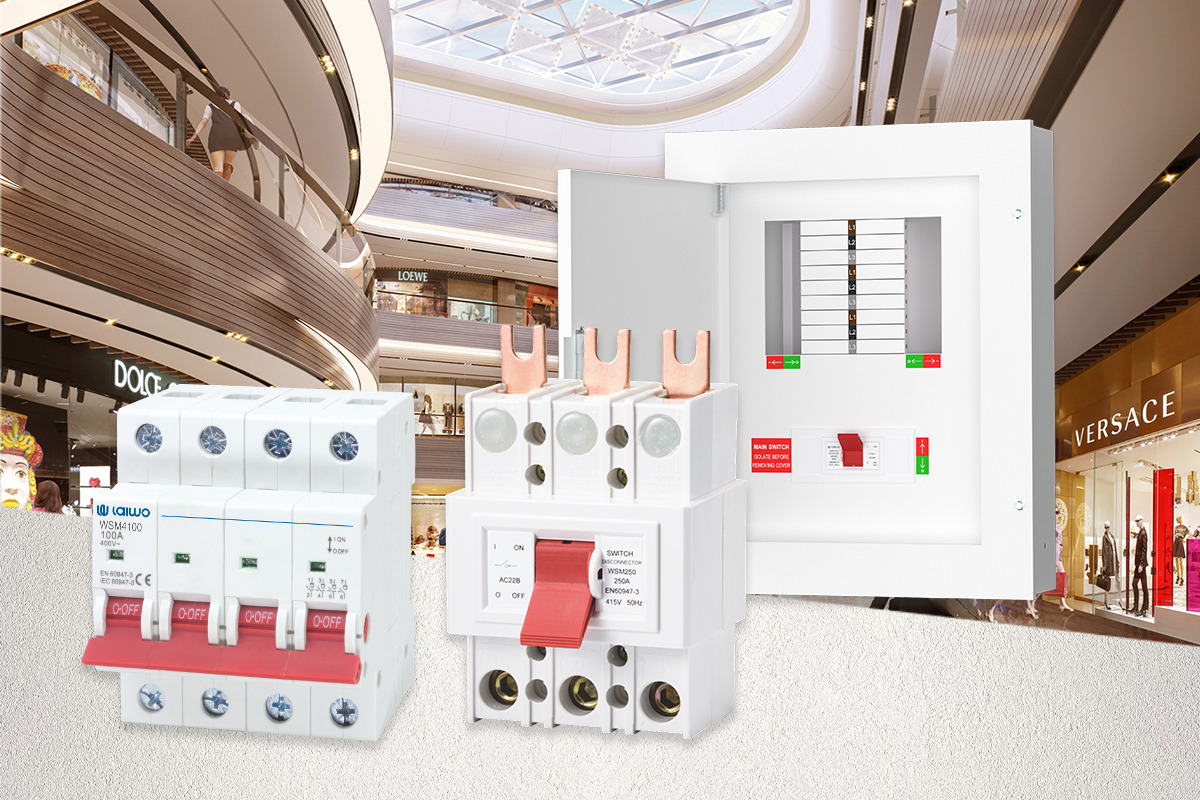
Commercial distribution range shown against a retail interior: a TP&N metal distribution board with its busbar and outgoing ways exposed, beside 100A main switches and a moulded-case switch disconnector
Commercial Building Power Distribution

Commercial Building Power Distribution

Commercial distribution-board selection depends on rated current, outgoing ways, fault level, incomer arrangement, metering and installation constraints.

  • System voltage, frequency and rated current
  • Outgoing ways and required spare capacity
  • Main incomer and outgoing protective devices
Explore solution →
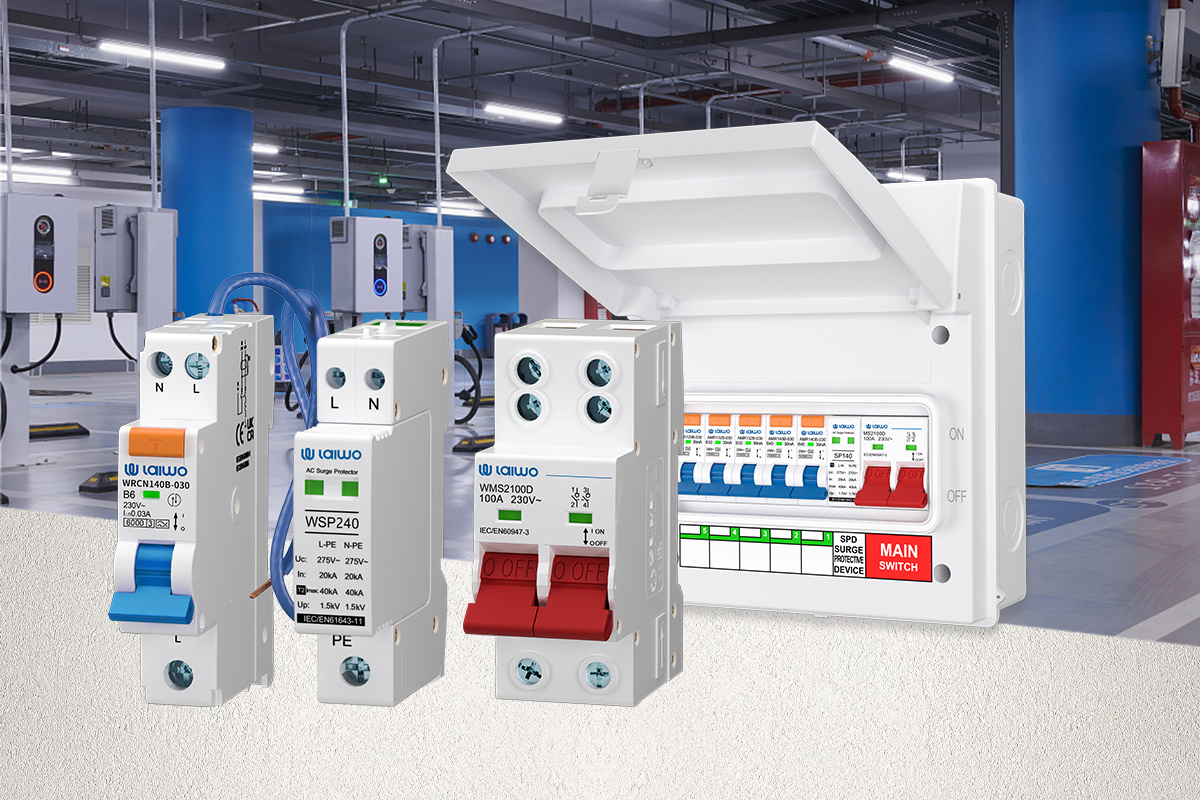
EV charging distribution range shown in a car park with wall-mounted chargers: an RCBO, a WSP240 surge protector and a 100A main switch, beside a populated distribution board
EV Charging Distribution & Protection

EV Charging Distribution & Protection

EV distribution equipment should be selected as part of the charger installation, with attention to enclosure, residual-current protection, surge exposure and destination-market rules.

  • Charger type, phase and rated load
  • Indoor, garage or outdoor installation environment
  • Earthing arrangement and upstream protection
Explore solution →
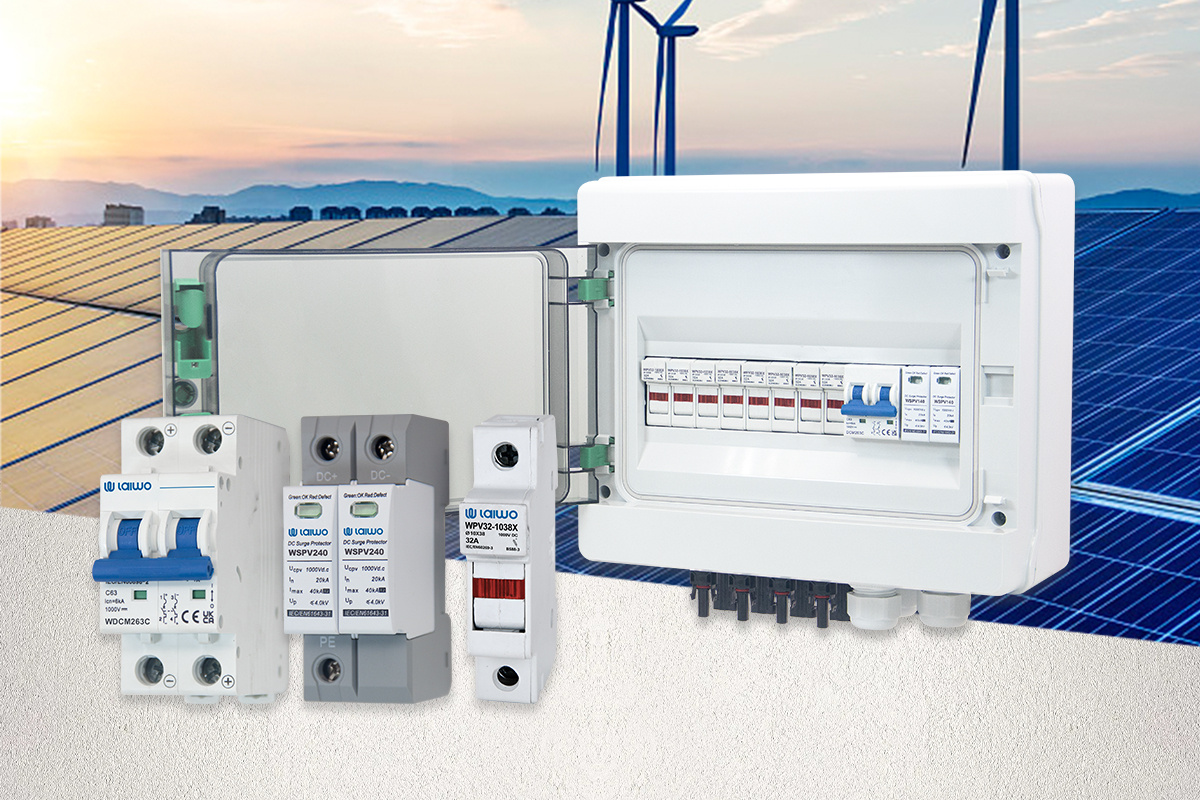
Solar DC protection range shown against a photovoltaic array: a DC miniature circuit breaker, a WSPV240 DC surge protector and a PV fuse holder, beside an IP65 DC combiner box
Solar DC Protection Systems

Solar DC Protection Systems

PV and other DC systems require devices documented for the relevant DC voltage, connection and fault duty; an AC rating cannot simply be carried across.

  • Maximum DC system voltage
  • Operating and prospective fault current
  • Number of poles and polarity arrangement
Explore solution →
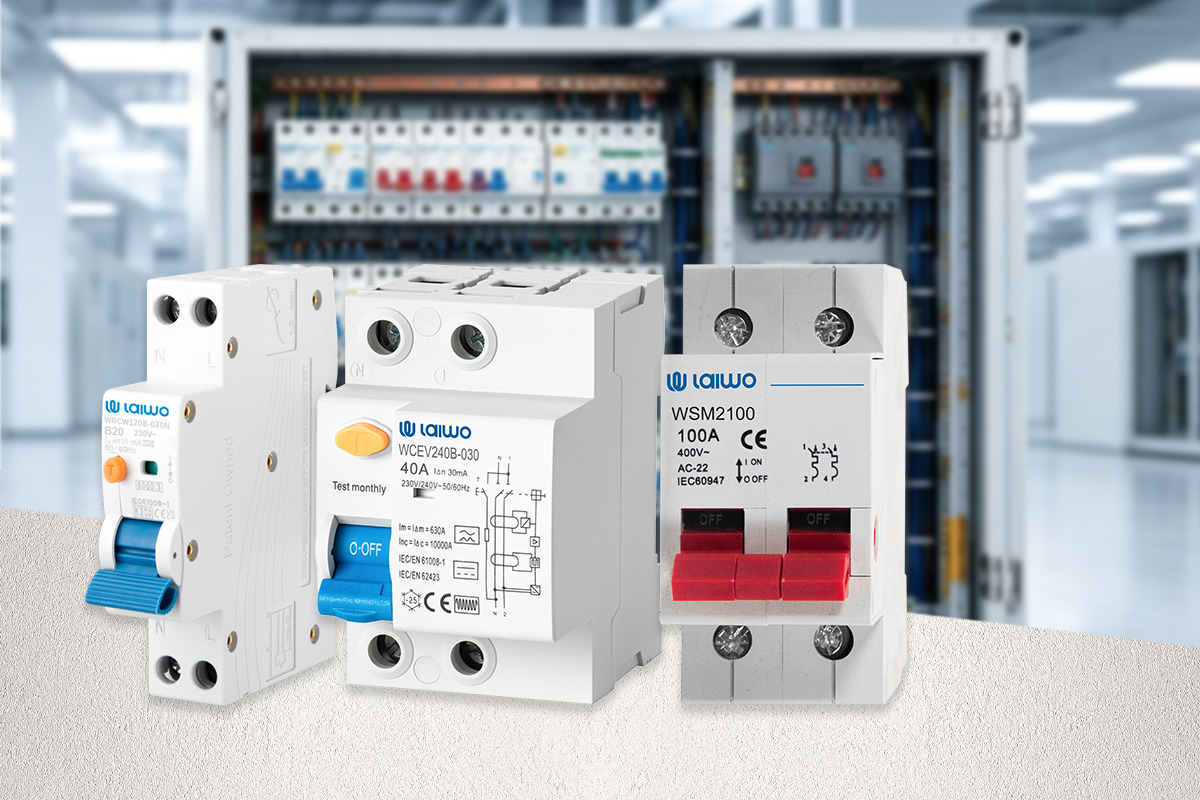
Panel builder supply range shown against an assembled switchboard: an RCBO, a double-module RCBO and a 100A main switch
Panel Builder Component Supply

Panel Builder Component Supply

Panel builders need consistent component references, compatible accessories, controlled documentation and dependable repeat-order identification.

  • Bill of material and exact model references
  • Electrical ratings and fault duty
  • Mounting, dimensions and terminal compatibility
Explore solution →
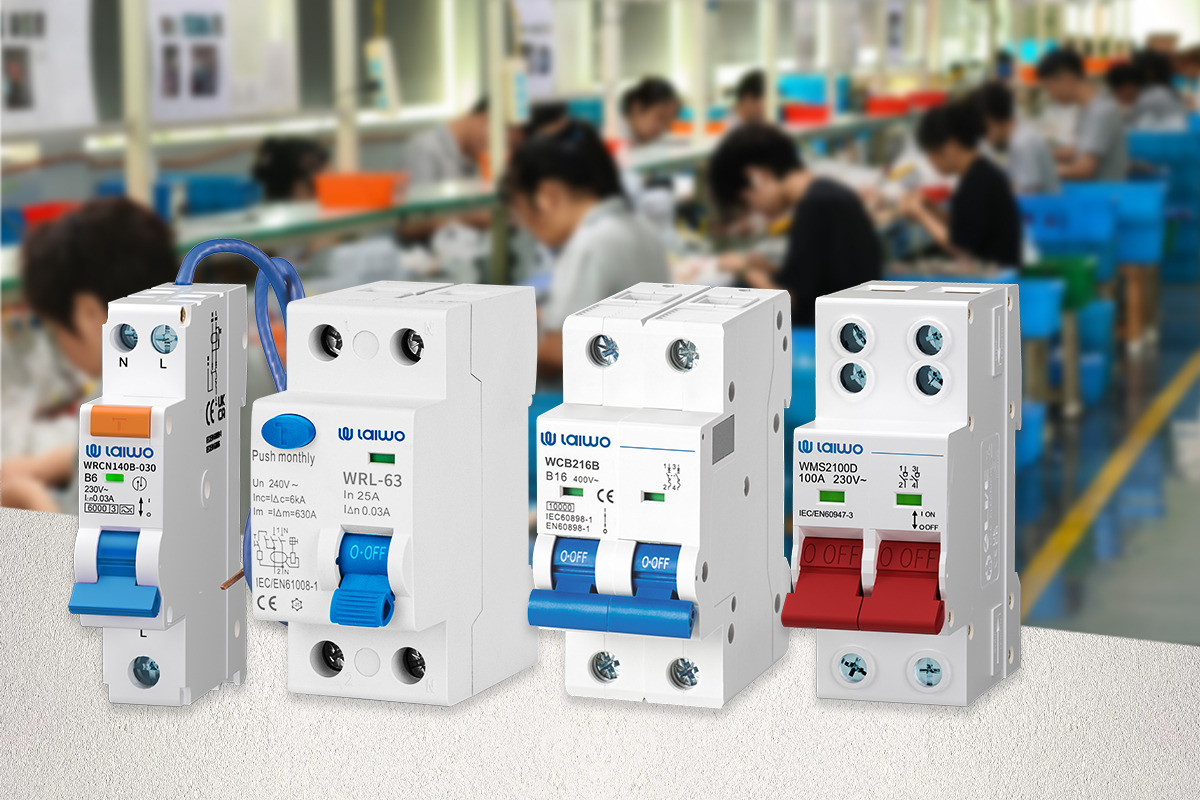
Private-label range shown against the assembly line that builds it: an RCBO, an RCCB, an MCB and a main switch, all carrying LAIWO marking
OEM Private-Label Programs

OEM Private-Label Programs

An OEM programme succeeds when the product, approval scope, markings, packaging and documents are approved as one controlled delivery package.

  • Target market, buyer and sales channel
  • Selected product families and annual quantity
  • Required ratings, functions and approvals
Explore solution →
Project inquiry

Discuss your requirements with LAIWO.

Share the product range, application, quantity and destination market for a more useful first response.

Request a Quote