
OEM Private-Label Programs
OEM Private-Label Programs
An OEM programme succeeds when the product, approval scope, markings, packaging and documents are approved as one controlled delivery package.
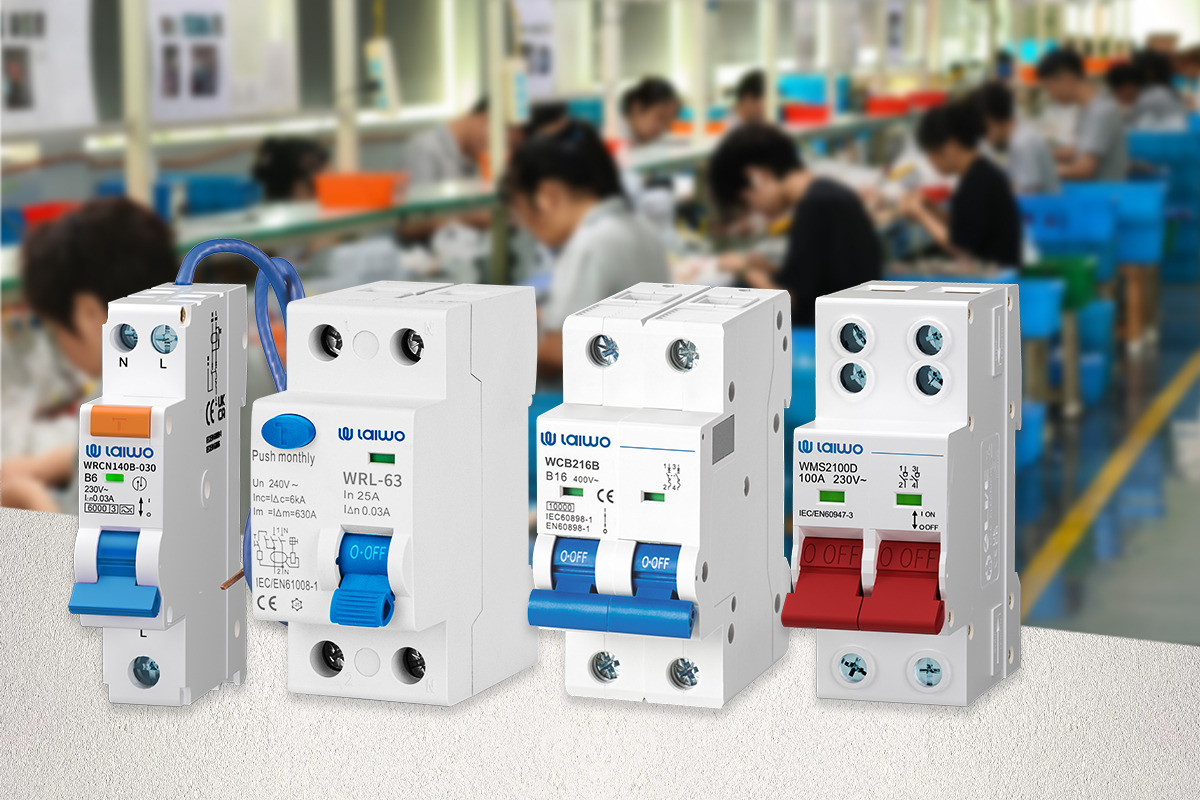
01 What problem does this project solve?
OEM / Private-Label Range
Launching an own-brand range is not a printing job. It needs enough model coverage to be worth stocking, approvals that hold in the destination market, and packaging and manuals carrying the brand — all of it reproducible on the reorder, not just on the sample.
- Model coverage wide enough to sell as a range
- Approvals valid in the destination market
- Brand marking on product and packaging
- Manuals and catalogue content
- Consistency between sample and production
- Repeat orders that match the approved sample
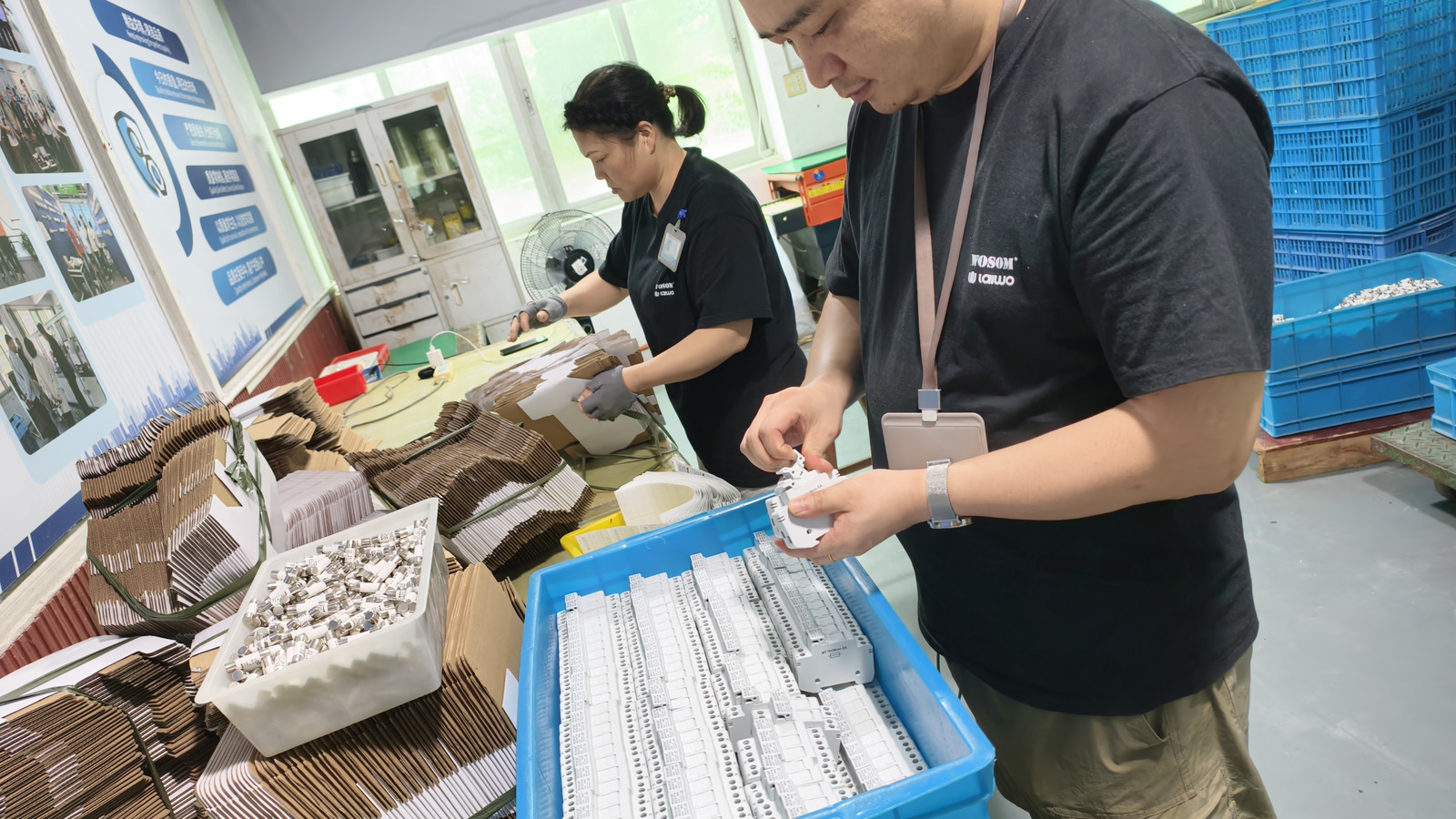
02 What does one system need?
The devices a complete system requires.
03 How does LAIWO solve it?
One product set, mapped to each protection function.
We develop the range against the market it will sell into: base products selected first, then marking, packaging and documents approved together as one sample package before anything goes to volume.
| Project requirement | LAIWO solution |
|---|---|
| Enclosures | Metal consumer units, TP&N boards |
| Protection devices | MCB, fuse links and holders |
| Brand identity | Logo, colour, model marking |
| Literature | Manuals, labels, catalogue data |
| Reorder control | Approved artwork and references |
04 Why should buyers choose LAIWO?
A manufacturer that covers the whole chain.
OEM / ODMIn-house factoryEngineering supportTestingCertificationCustom configuration
Application overview
Start with the system requirement, then select the product.
Private label is more than printing a logo. Destination market, product positioning, approved base model, technical markings, packaging, manuals, catalogue data and repeat-order references all need to be defined before mass production.
LAIWO supports distributors and electrical brands through requirement definition, base-product selection, sample review, brand implementation, production and delivery documentation.
Selection path
How a requirement becomes a controlled product package.
Each stage reduces ambiguity before samples, technical review and quotation.
Define the range
Set target market, product positioning, model coverage, expected quantities and commercial priorities.
Select the base products
Compare existing platforms against the required function, rating, documentation and allowable customisation.
Approve the sample package
Review product, markings, labels, packaging, manuals and technical files together before production.
Control repeat delivery
Record approved artwork, model references, packing rules and revisions so later orders remain consistent.
Frequently asked questions
Questions to resolve before quotation.
What can be customised?
Depending on the product and quantity, discussions can cover logo, model marking, colour details, labels, packaging, manuals, catalogue content and populated configurations.
What is needed before an OEM sample?
Confirm the base model, required ratings, destination market, branding files, packaging concept, document list, quantity expectation and sample approval criteria.
Does customisation change the approval scope?
It can. Cosmetic branding and technical changes should be reviewed separately, and the exact product and document scope must remain aligned.
Technical & sales support
Next: evaluate the products themselves.
Choose the resource or sales route required for the next stage of product evaluation.
01 · Explore
View Catalogues
Review the existing product range before choosing a model or configuration.
Open downloads → 02 · VerifyGet Certificate Pack
Tell us the model and market so sales can match the relevant document scope.
Request documents → 03 · EvaluateRequest Samples
Share the product, rating, quantity and evaluation target for a sample discussion.
Discuss samples → 04 · SourceRequest a Quote
Send model, quantity, destination and OEM scope for a structured response.
Start an inquiry →