OEM & ODM

Your brief, engineered into a branded range.

We support distributors and electrical brands with product configuration, sample verification, marking, packaging and production coordination.

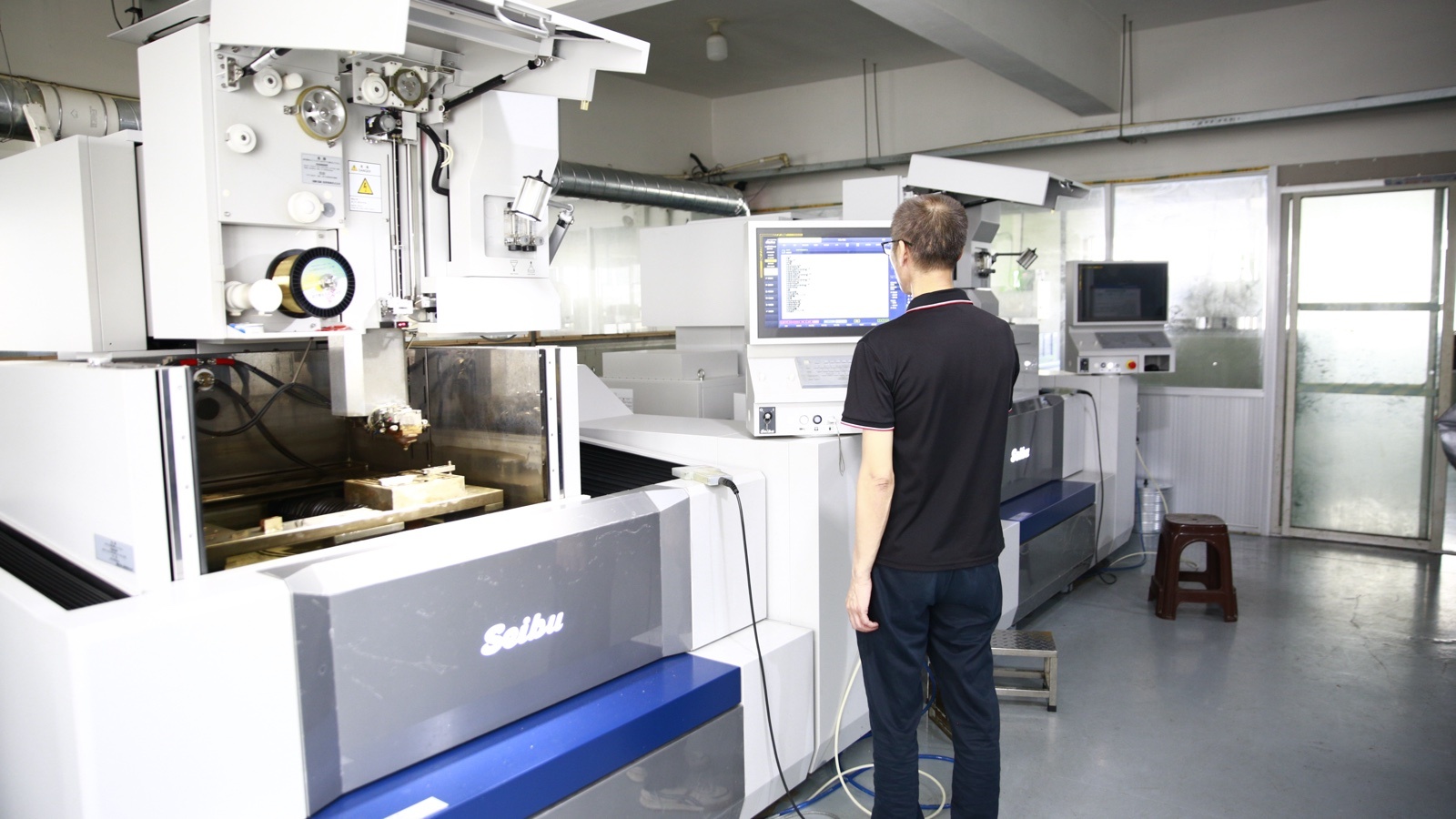
Engineer at the control panel of a wire-cut machine in the tool room

Make customisation visible and manageable.

Each stage defines the information, approvals and deliverables we need to move your OEM project forward with fewer surprises.

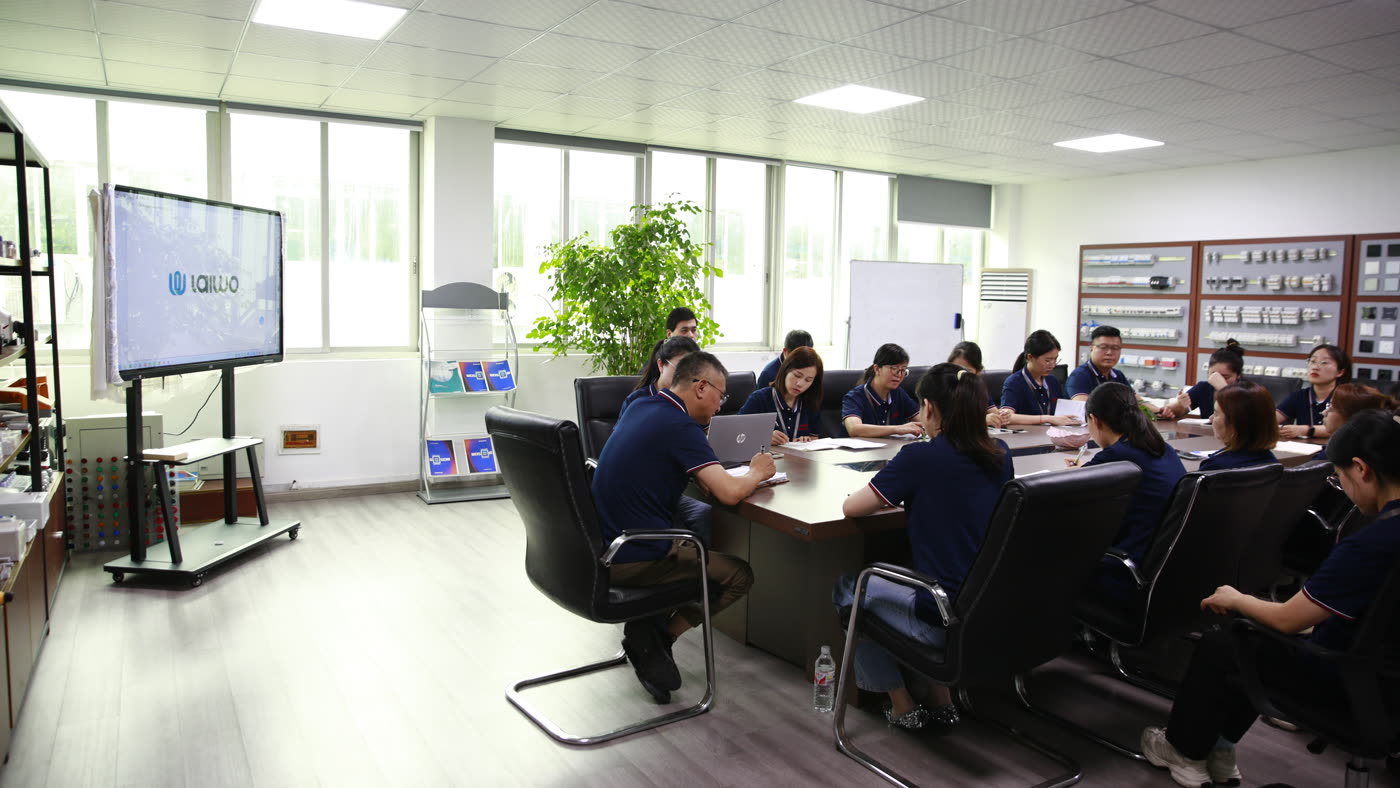
Engineering and sales reviewing a customer requirement
01

Requirement definition

The first conversation is about the destination market, not the product. Which approvals it needs, which formats sell there, and where your range sits commercially all constrain what gets built.

  • Destination market and applicable standards
  • Target range and expected volumes
  • Commercial positioning and price band
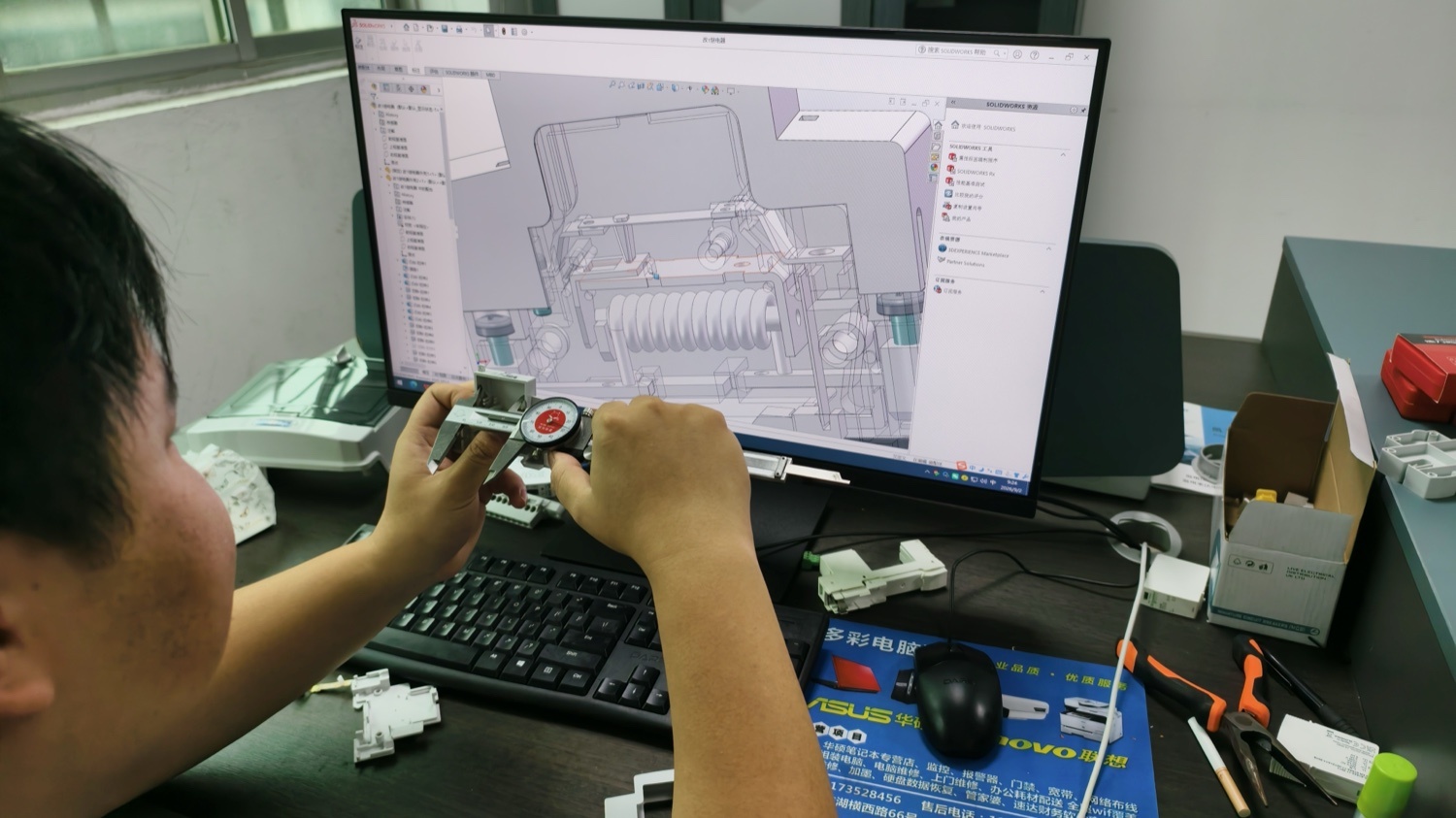
Engineer working on a 3D tooling model, holding the moulded part it produces
02

Product configuration

Most programmes start from an existing platform rather than a blank sheet, because a proven tool and an existing certificate are worth more than a bespoke shell. We advise on what can change cheaply and what cannot.

  • Platform selection from current ranges
  • Structural and functional modifications
  • Component selection with engineering input
  • What a change would do to lead time and approvals
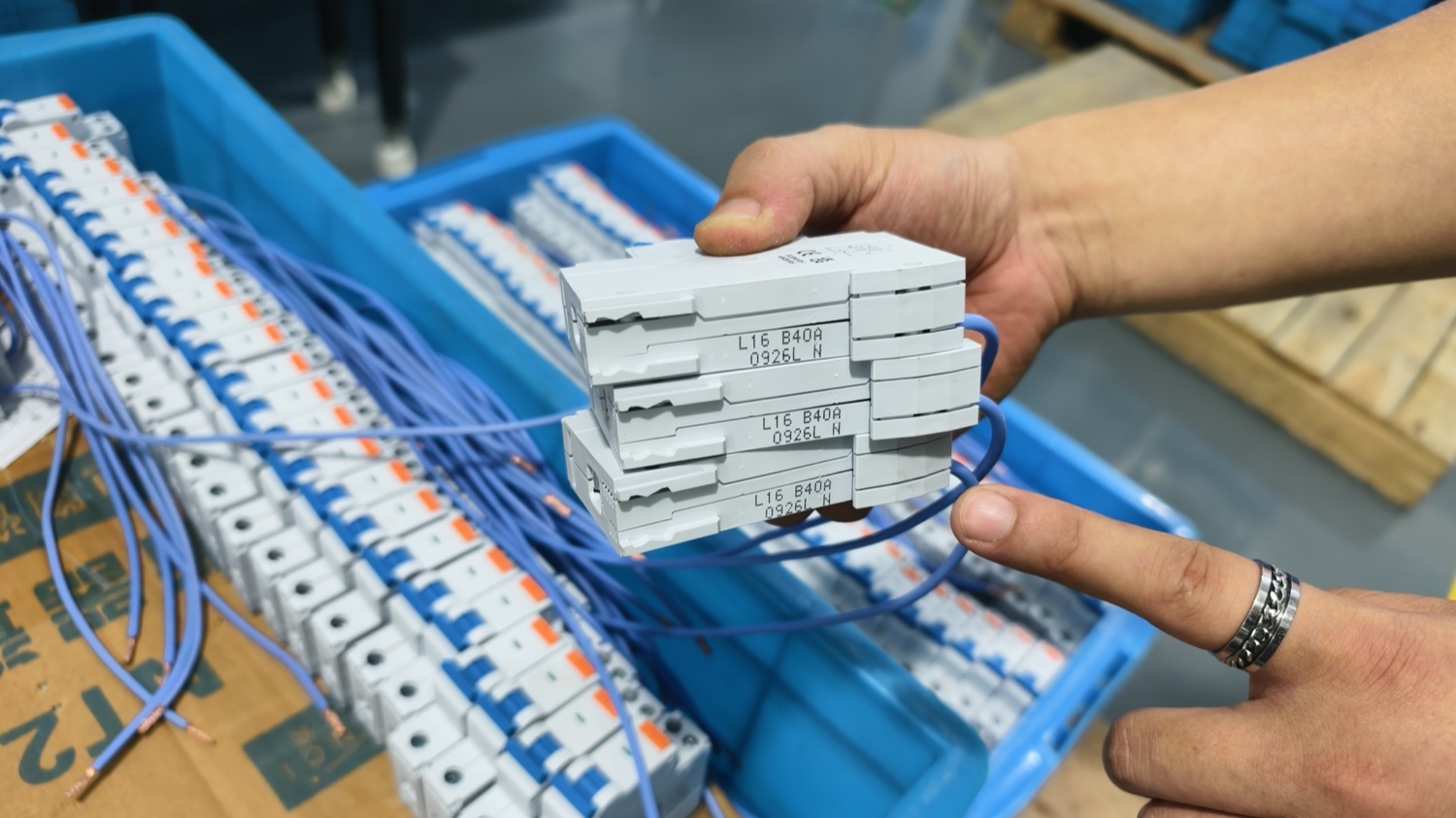
Assembled breakers being checked by hand against a tray of finished units
03

Sample and verification

Nothing goes to production before you have held it. Samples arrive with the marking and documentation as they would ship, so approval covers the whole package rather than the device alone.

  • Pre-production samples
  • Marking and label proofs
  • Document set for review
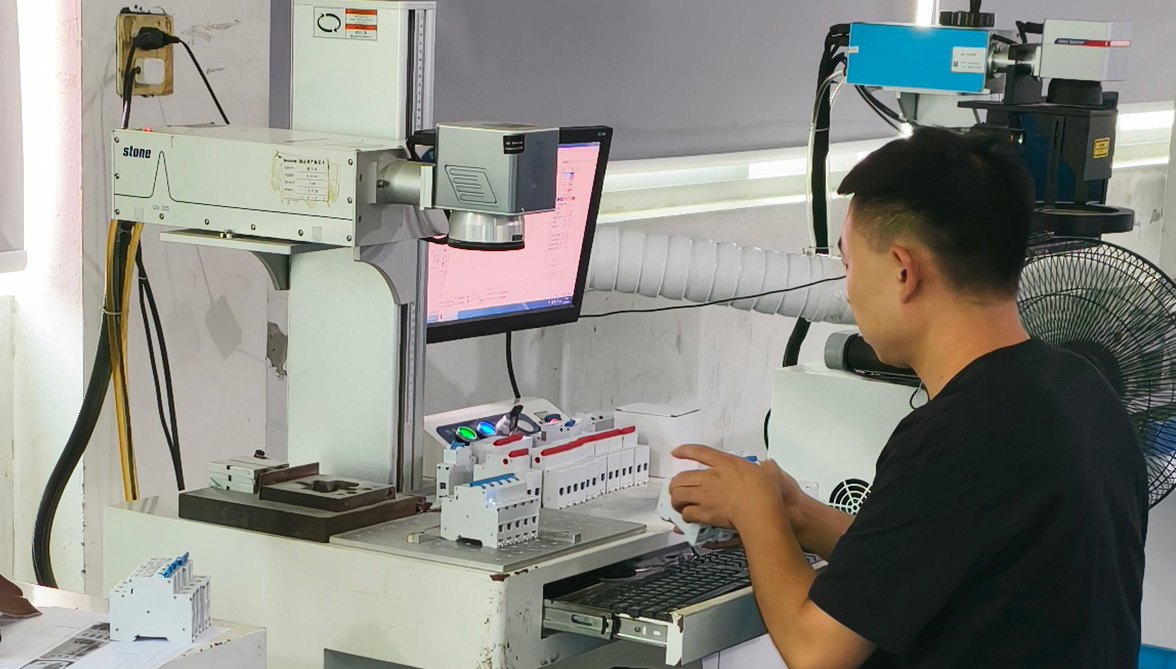
Laser marking of circuit protection components
04

Brand implementation

Private labelling is straightforward on the device and easy to get wrong everywhere else — the carton, the manual, the catalogue entry and the repeat-order reference all have to match.

  • Product marking and logo application
  • Colour and finish selection
  • Packaging, manuals and catalogue content
  • Controlled repeat-order references
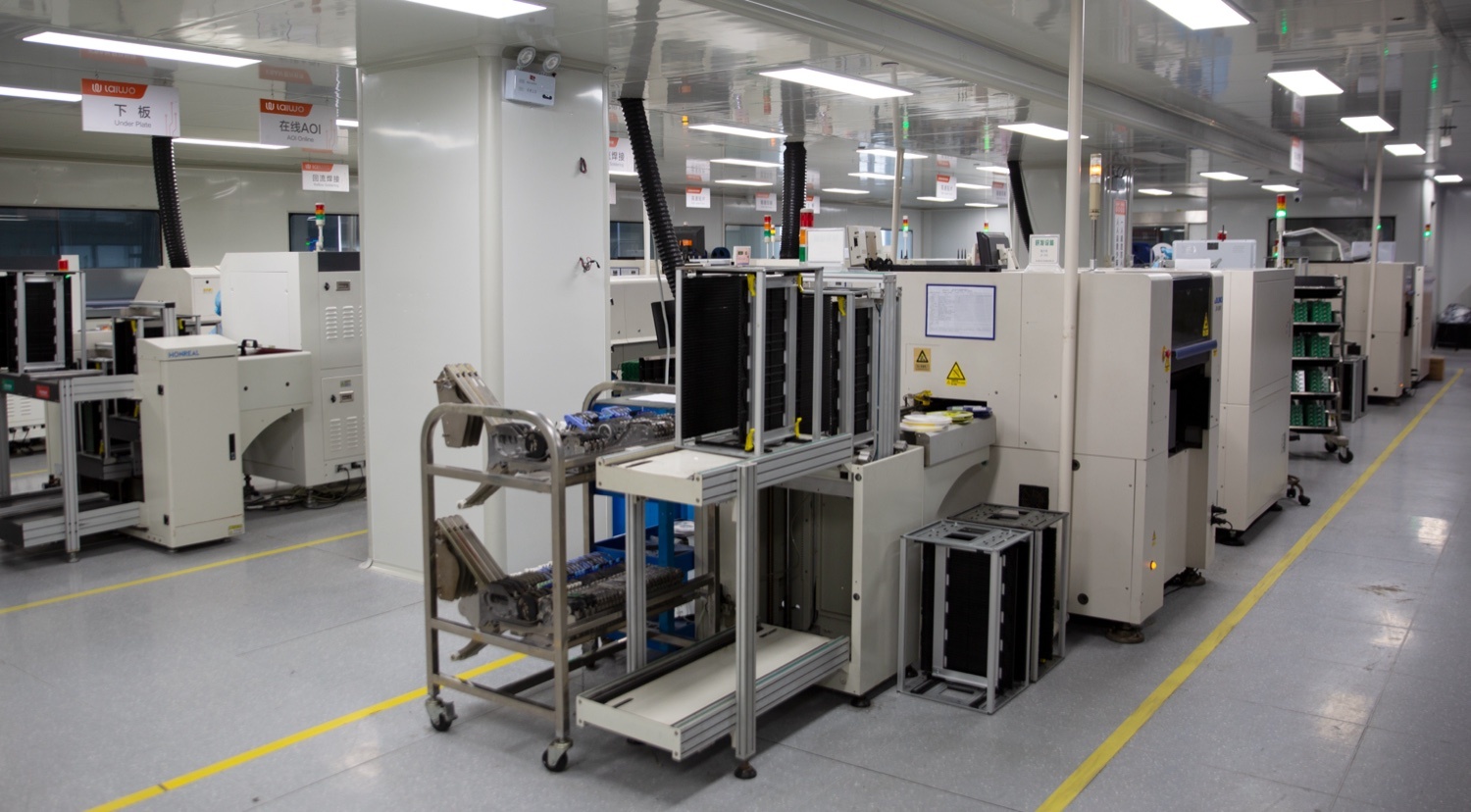
Automated assembly line running the length of the production hall
05

Production and inspection

Your programme runs through the same material controls, in-process checks and electrical tests as everything else we build. There is no separate line for OEM work.

  • Incoming material verification
  • In-process inspection
  • Electrical test against the agreed specification
The team handling quotations, orders and documentation
06

Delivery documentation

The paperwork is part of the product. A range that arrives without the declarations, drawings and manuals its market expects cannot be sold, however good the device is.

  • Declarations and covered-model schedules
  • Datasheets and dimensional drawings
  • Installation instructions and labels
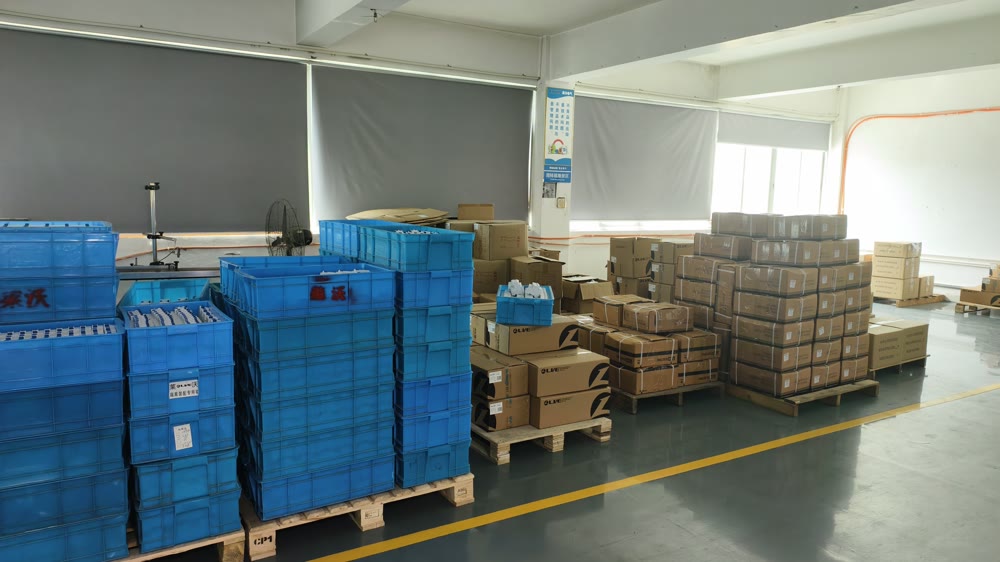
Finished goods packing and OEM shipment preparation
07

Repeat supply

The second order is where private-label programmes usually break. Fixed references, retained artwork and controlled revisions are what keep it identical to the first.

  • Locked model and artwork references
  • Document revision control
  • Production records retained against each order
Project inquiry

Discuss your requirements with LAIWO.

Share the product range, application, quantity and destination market for a more useful first response.

Request a Quote