Quality & compliance

Quality evidence connected to the products buyers evaluate.

Quality here means the same device arriving in the tenth order as in the first. We control that through material specification, single-piece enclosure forming, documented assembly, electrical testing on every protection range, and certificates tied to the models they actually cover.

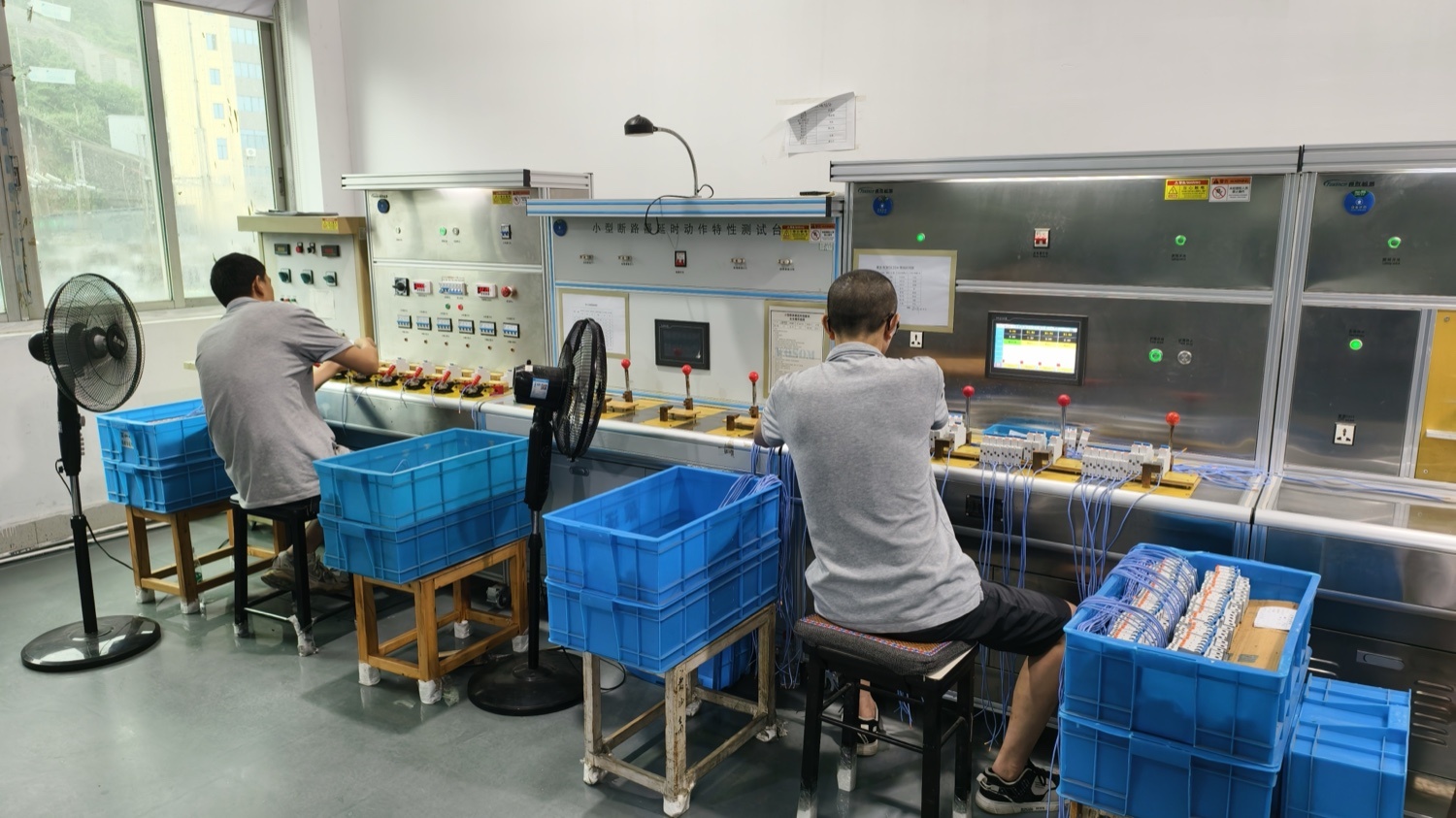
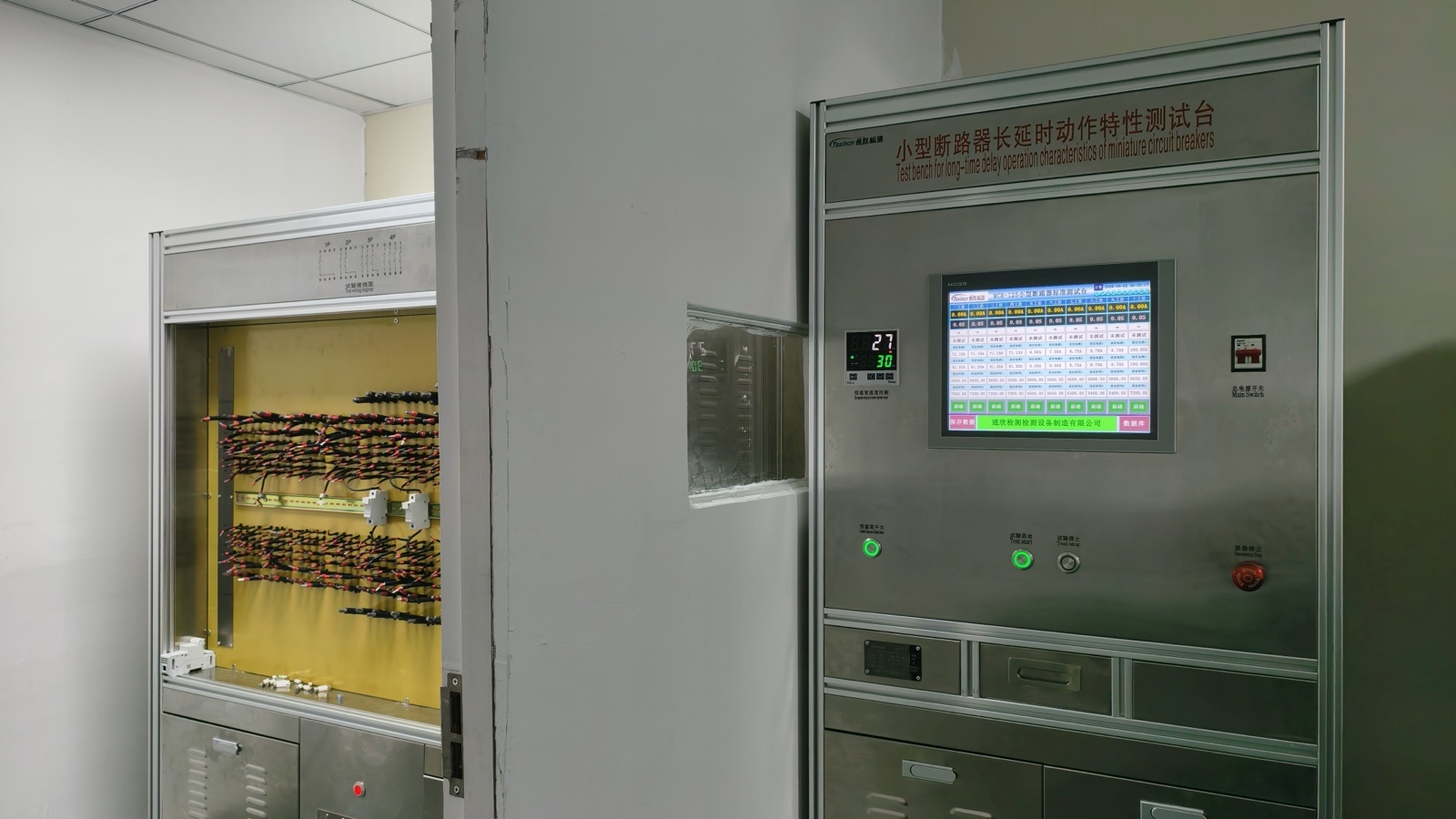
Test bench for long-time delay operation characteristics of miniature circuit breakers, with live readings on the panel

Where the controls sit: incoming material through to shipment.

Quantitative claims, test methods and certificate scope are controlled against approved technical evidence.

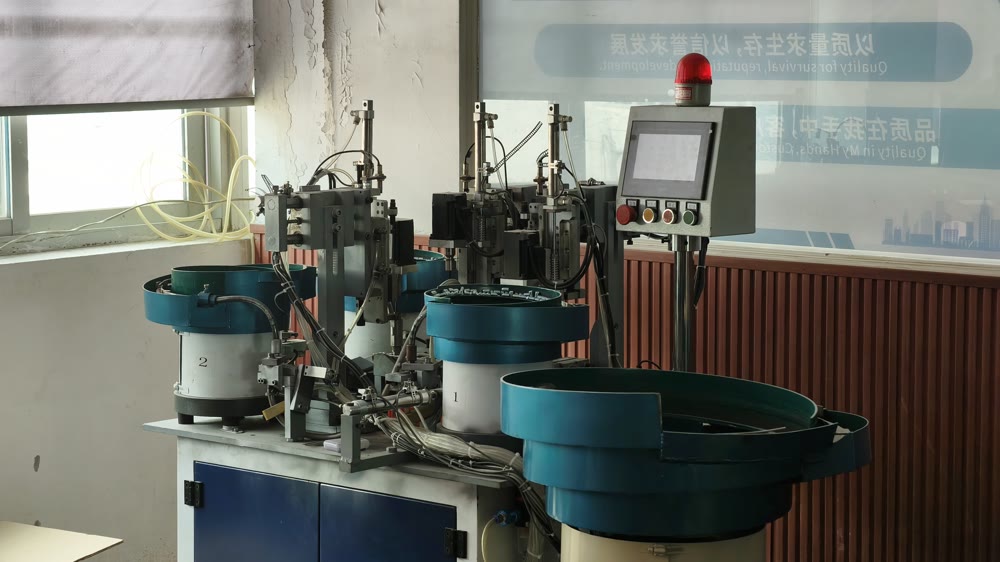
Automated component feeding on the LAIWO assembly line
01

Incoming material control

Material choice is decided at the design stage and then verified batch by batch, because most of what a buyer experiences as build quality is fixed before assembly starts.

  • Enclosure steel drawn and formed to a defined specification
  • Copper and brass for busbars, terminals and contact parts
  • Flame-retardant ABS bodies and polycarbonate covers on plastic enclosures
  • High-frequency porcelain bodies and copper elements on fuse links
  • Supplier records, batch identification and traceability checkpoints
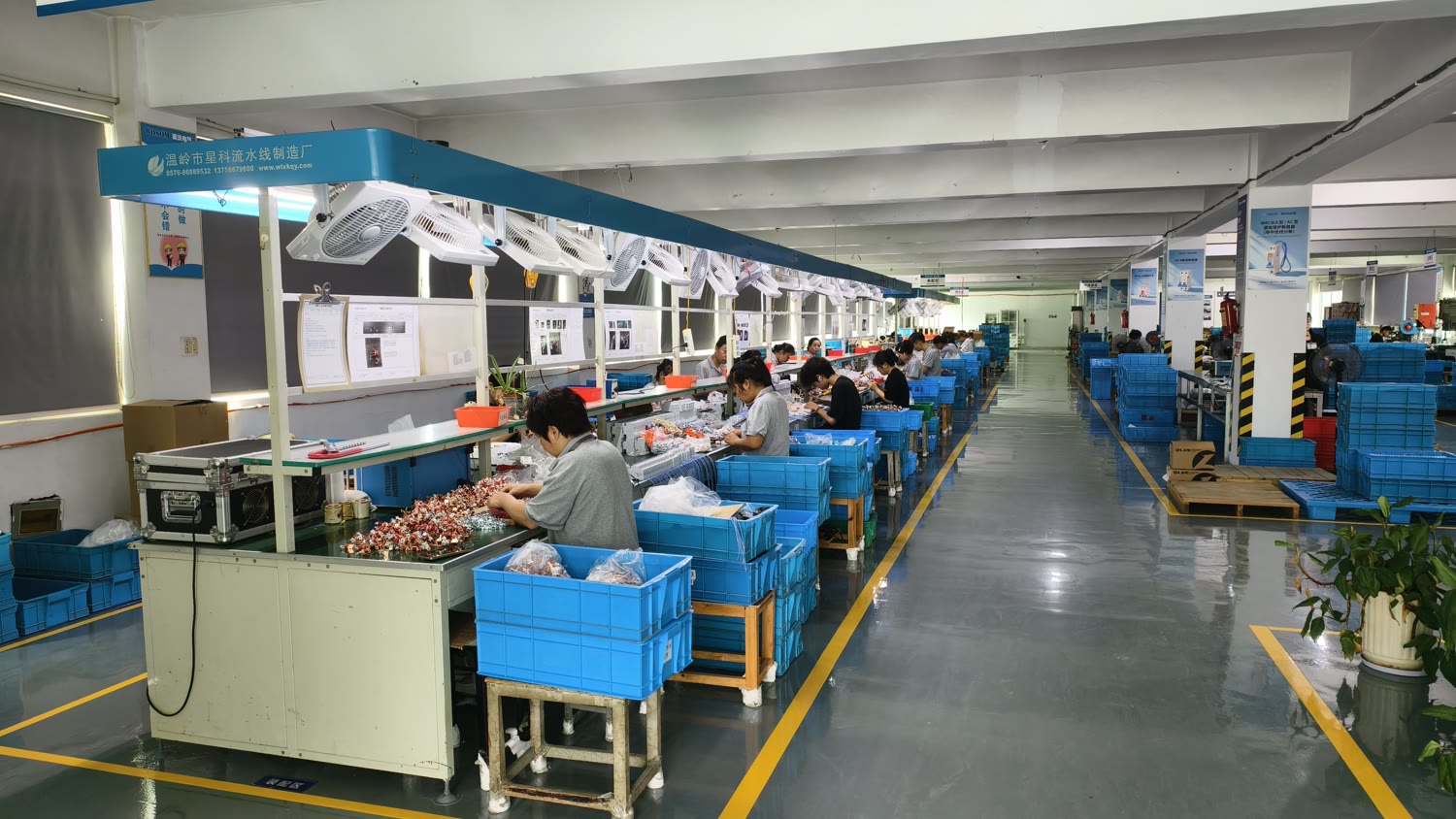
LAIWO circuit protection production line
02

Forming and finishing

Metal enclosures are drawn in one piece rather than folded and welded from panels, which is what keeps panel gaps and door fit consistent across a production run.

  • Single-operation draw forming for metal enclosure bodies
  • Automatic electrostatic polyester powder coating
  • Consistent finish references across a range — RAL 9010 on consumer units, RAL 7035 on three-phase boards
  • Coating adhesion and appearance checks before assembly
Operators working in-process checks at adjacent verification stations
03

Process control

Assembly steps that determine electrical performance are documented and checked in-process, so a problem is caught at the station that caused it rather than at final inspection.

  • Standard work instructions at each station
  • Critical dimension checks
  • In-process verification
  • Torque control on terminal connections
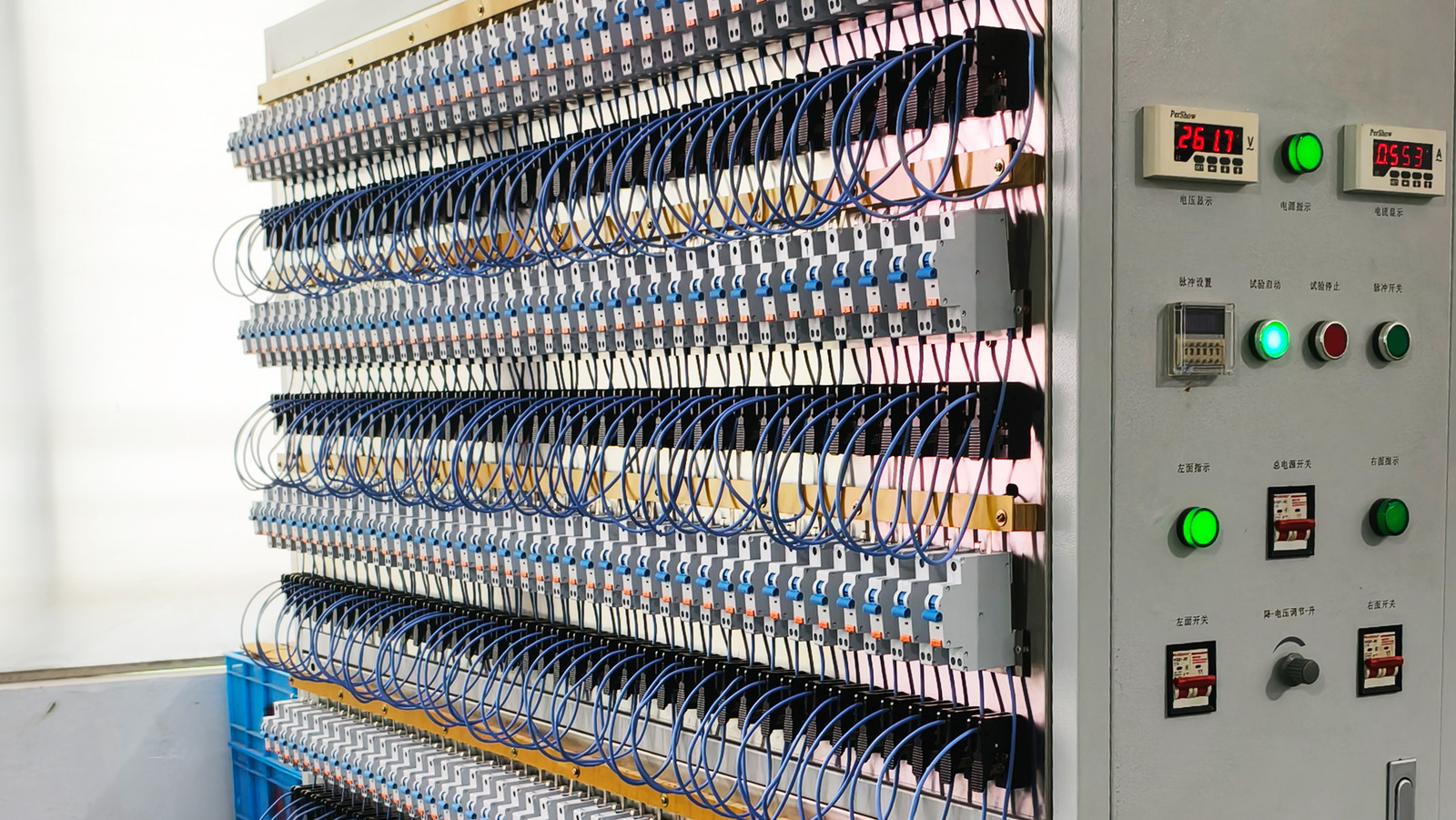
Breakers wired in rows across a test rack for trip-characteristic verification
04

Electrical testing

Protection devices are tested to the characteristics they are sold on. A breaker that does not trip within its stated band is not a cosmetic defect, so this is where the most inspection effort sits.

  • Dielectric withstand and insulation resistance
  • Trip-characteristic and time-delay verification
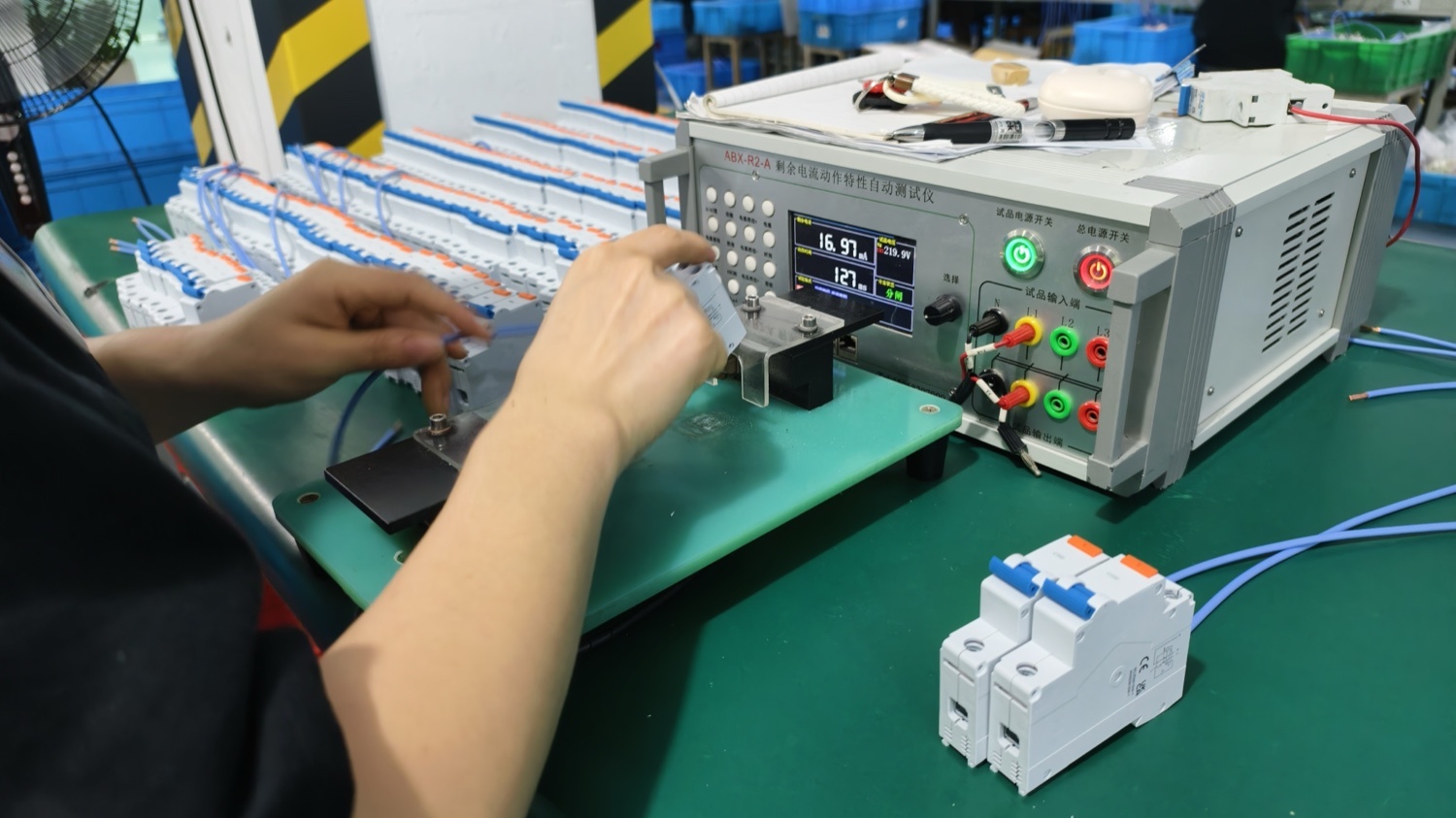
  • Residual-current operation on RCD and RCBO ranges
  • Temperature-rise verification
  • Ingress-protection testing on sealed enclosures
A single breaker on a bench tester during final inspection
05

Final inspection

The last check is against the order rather than against a generic standard — the right devices, the agreed markings, and the packaging the destination market expects.

  • Product function
  • Label and marking checks
  • Accessory and populated-device schedule
  • Packing-list verification
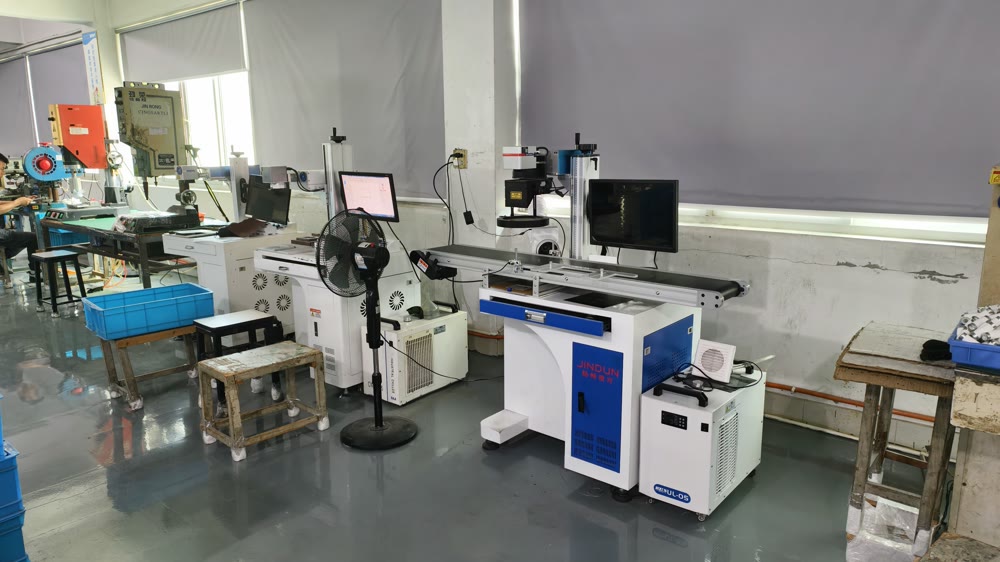
Laser marking of circuit protection components
06

Traceability and marking

Laser marking ties a finished device back to its production record, which is what makes a field question answerable months after shipment.

  • Permanent laser marking
  • Production and batch records retained
  • Repeat-order references controlled
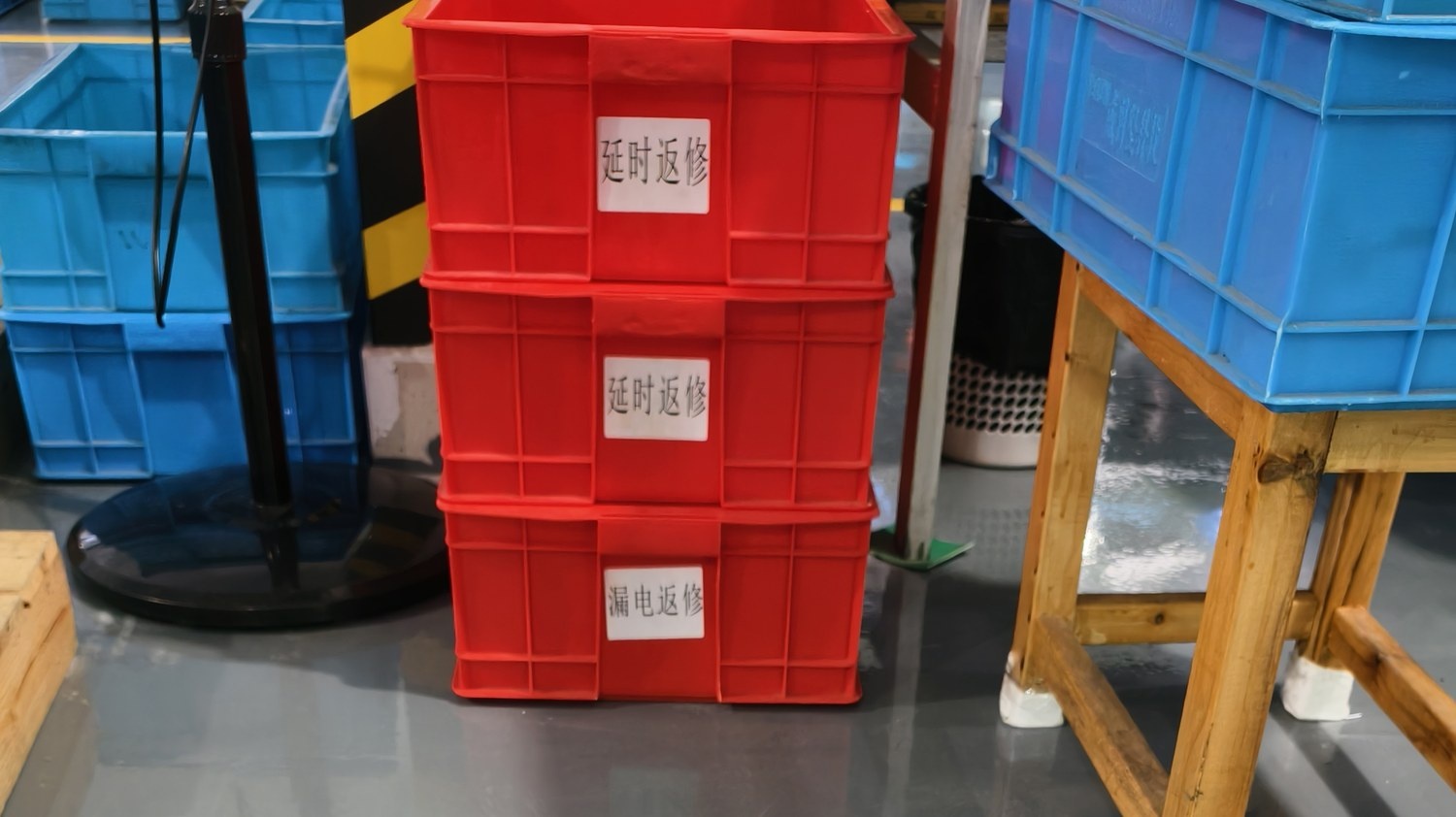
Non-conforming units held in labelled quarantine crates, separated by defect type
07

Corrective action

When something does go wrong, the useful part is not the apology but the record: what happened, why, and what changed as a result.

  • Non-conformity recorded
  • Root cause identified
  • Corrective and preventive action evidenced
Project inquiry

Discuss your requirements with LAIWO.

Share the product range, application, quantity and destination market for a more useful first response.

Request a Quote