Key procurement takeaways
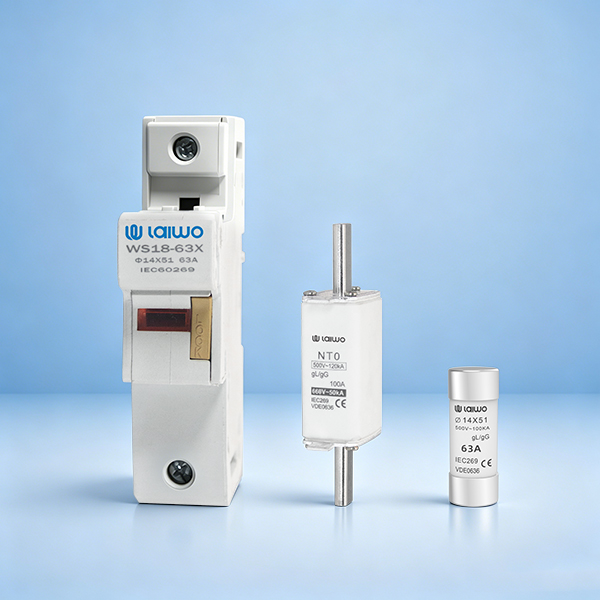
- Fuse links must be evaluated together with their holders or bases.
- Physical format alone does not confirm electrical interchangeability.
- Current, voltage, utilization category and breaking capacity all matter.
- Replacement availability can influence the best system for a market.
Different mechanical systems
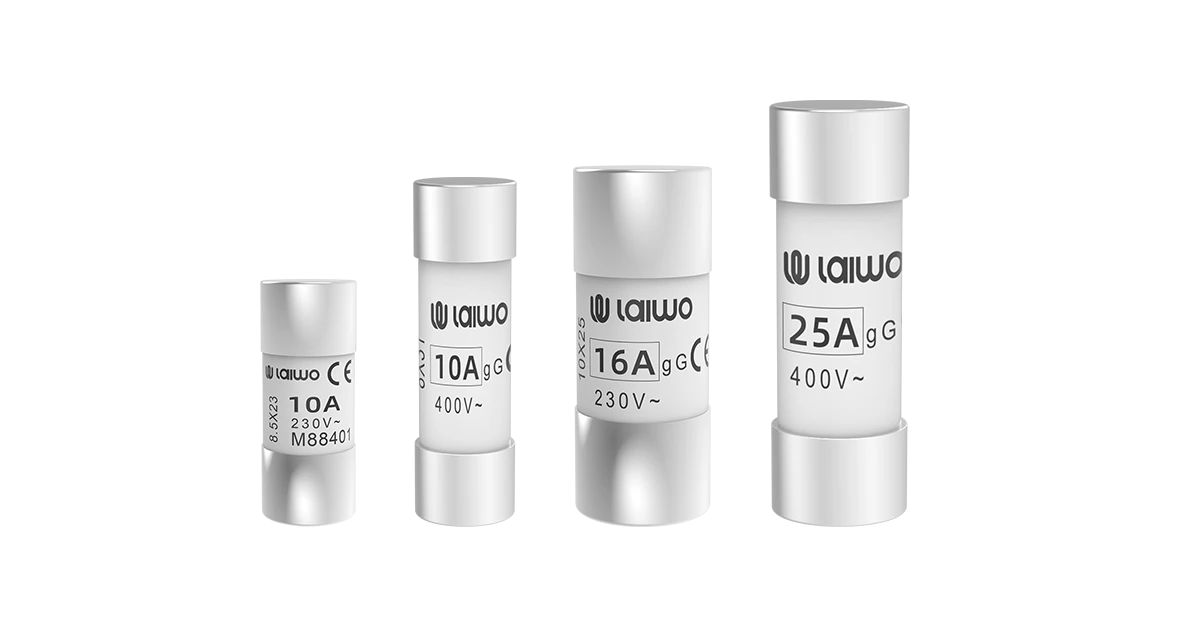
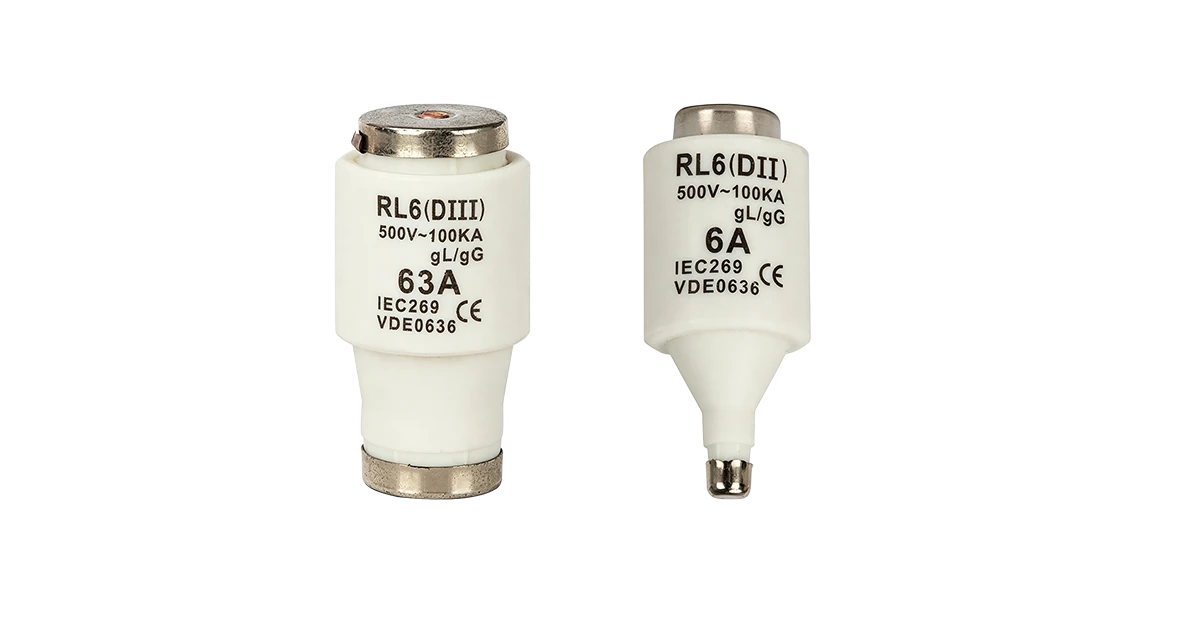
Bottle fuses and cylindrical fuses use different holders, contact arrangements and replacement practices. The complete fuse system—not only the replaceable link—should be specified and documented.
Electrical comparison
- Rated current and voltage
- Utilization category and time-current characteristic
- Breaking capacity
- Power loss and temperature behaviour
- Holder, base and accessory compatibility
Market and maintenance considerations
A technically suitable fuse may still be a poor commercial choice if replacement stock is uncommon in the target market. Distributors should consider installed base, local preference and assortment strategy.
What to request from the supplier
- Fuse-link and holder model matrix
- Technical curves and dimensional drawings
- Approved standard and certificate schedule
- Packing quantity, marking and assortment options
Engineering note
Final product selection must be checked against the project design, destination-market requirements and the approved manufacturer documentation for the exact model.