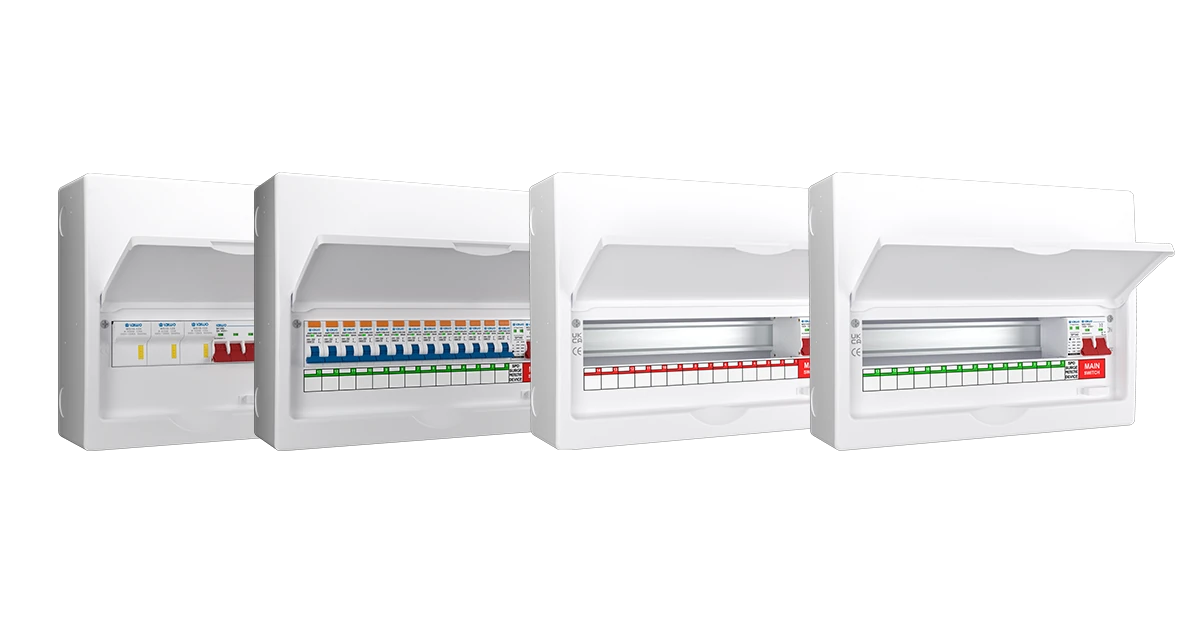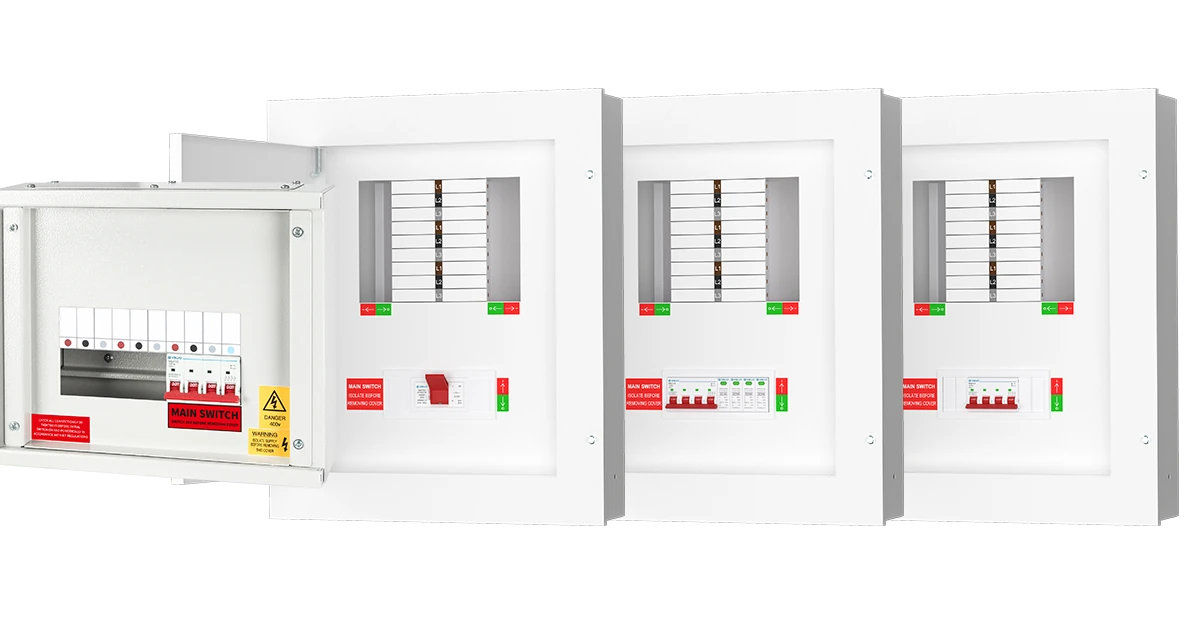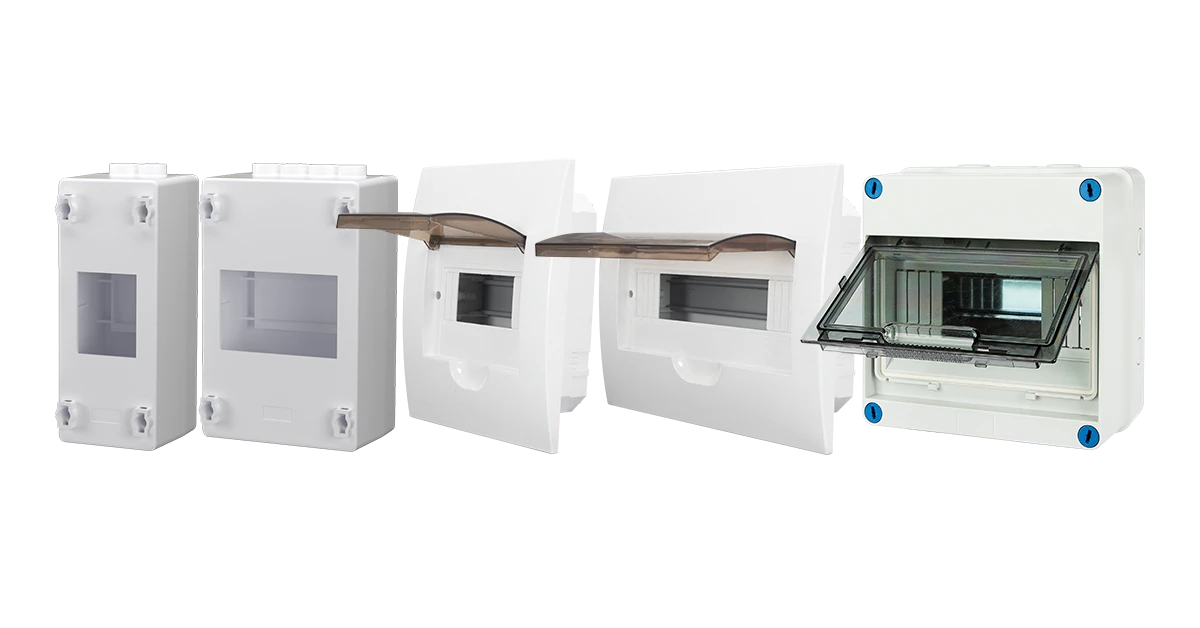
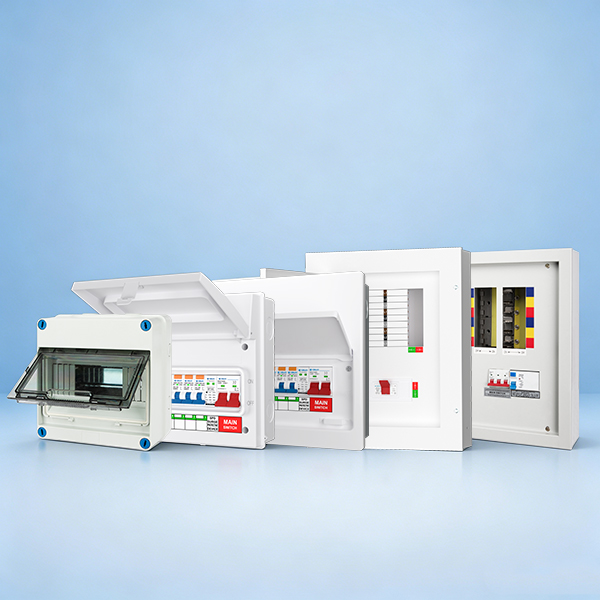
- Define the electrical system and installation environment first.
- Specify spare ways and future expansion instead of matching only today's circuit count.
- Confirm fault level, protective-device compatibility and certificate scope.
- Request drawings and schedules before approving a project configuration.
Start with the system, not the enclosure
A useful quotation begins with the supply system, installation type and circuit schedule. Residential single-phase consumer units, commercial TP&N boards and weather-resistant sub-distribution boxes solve different problems even when their external dimensions look similar.
Tell the supplier whether the board is for a new project, a replacement programme or an OEM product range. That decision affects configuration control, documentation and repeat-order consistency.
Define the electrical and mechanical specification
- Single phase or three phase plus neutral
- Rated current and required fault level
- Number of outgoing ways plus spare capacity
- Main switch, RCD, RCBO and SPD arrangement
- Surface or flush mounting and cable-entry direction
- Indoor or weather-resistant enclosure requirement
Check device and busbar compatibility
The enclosure, busbar, incomer and outgoing protective devices should be treated as one system. Buyers should confirm mechanical fit, terminal arrangement, busbar rating and permitted protective-device combinations rather than assuming that every DIN-rail product is interchangeable.
Request the evidence needed for approval
- Dimensional drawing and internal layout
- Circuit schedule or populated-device list
- Applicable declaration and covered models
- Installation and wiring information
- Packaging, labelling and OEM artwork requirements
Final product selection must be checked against the project design, destination-market requirements and the approved manufacturer documentation for the exact model.