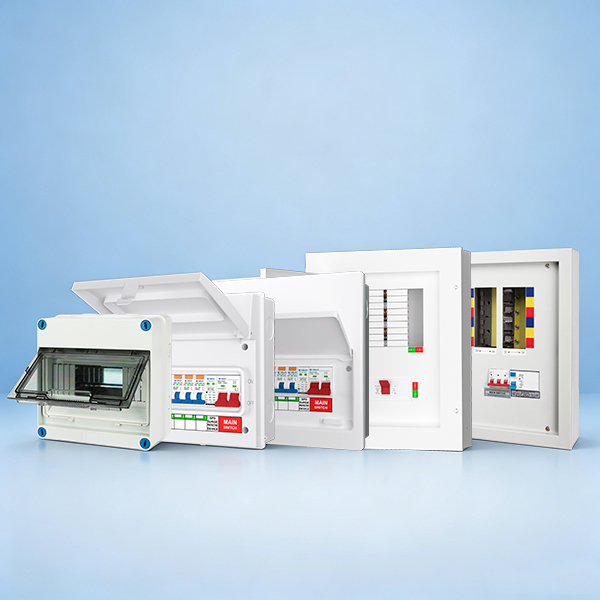
Key procurement takeaways
- Define the required protection arrangement before selecting enclosure size.
- Separate standard, populated and OEM configurations in the RFQ.
- Confirm device compatibility and document scope.
- Include marking, schedule, packaging and repeat-order control.
Choose the protection architecture
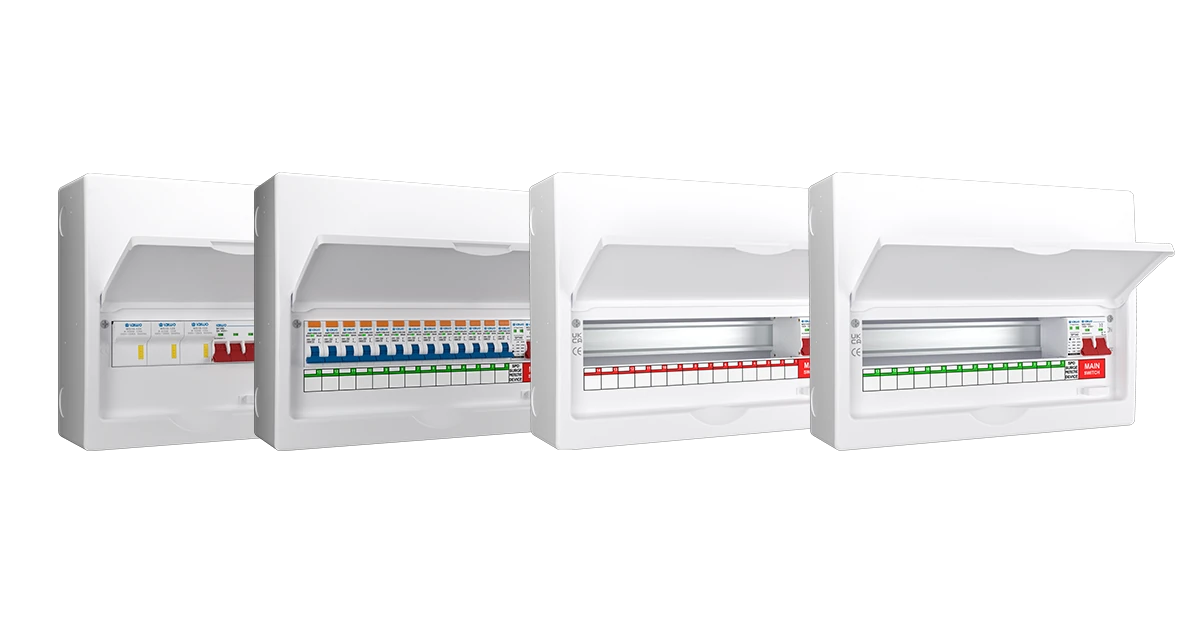
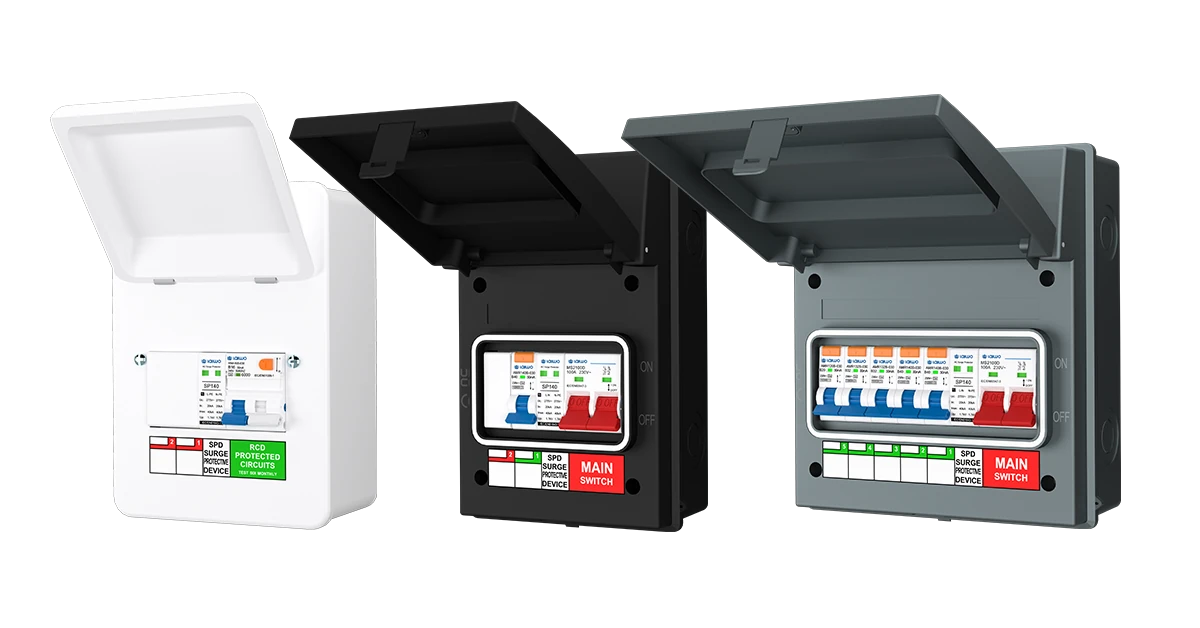
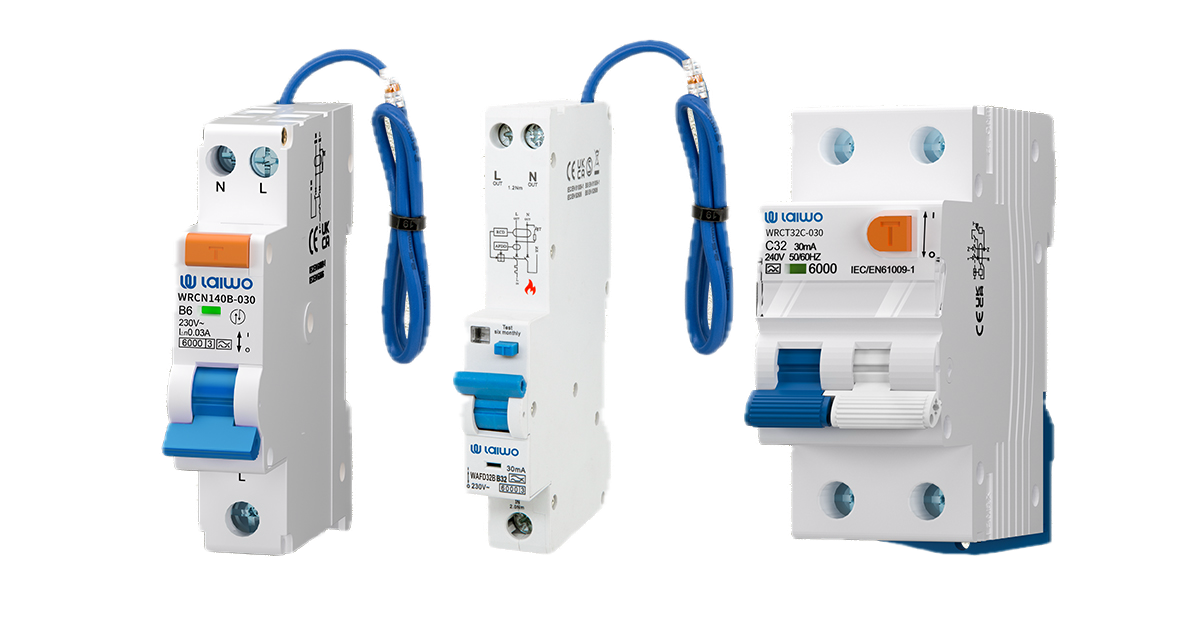
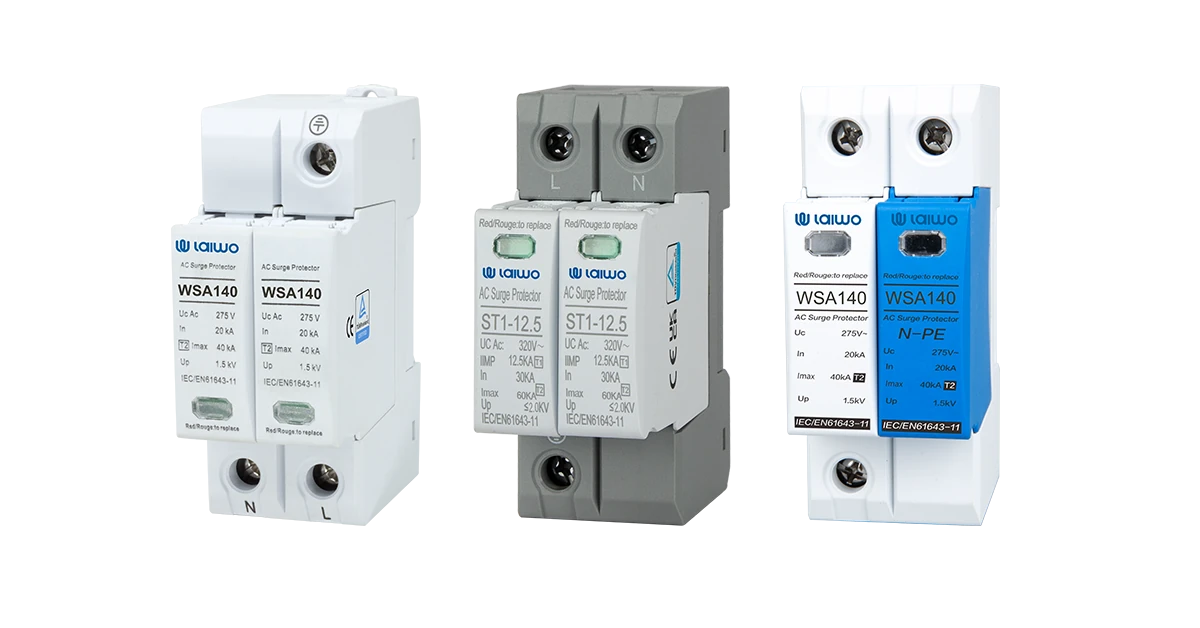
A consumer-unit request should state whether the project needs a main-switch arrangement, split-load RCD protection, individual RCBO protection or another approved configuration. This drives device count, usable ways and internal layout.
Specify the enclosure and installation
- Surface or flush mounting
- Usable ways and spare capacity
- Cable-entry and terminal arrangement
- Indoor, garage or weather-resistant location
- Required labels and circuit schedule
Define the commercial version
Distributors may need empty enclosures, standard populated combinations or a private-label range. Separate these versions so MOQ, sample approval, packaging and repeat-order controls remain clear.
Build the approval file
- Model list and populated-device schedule
- Dimensions and installation information
- Applicable standards and declarations
- OEM artwork, labels, manuals and packaging
- Sample sign-off and change-control record
Engineering note
Final product selection must be checked against the project design, destination-market requirements and the approved manufacturer documentation for the exact model.