Key procurement takeaways
- SPD selection starts with the installation risk and system arrangement.
- Voltage, SPD type and backup protection must be coordinated.
- Lead length and installation position affect performance.
- Integrated boards should have a clear device and wiring schedule.
What an SPD is intended to do
A surge protection device limits transient overvoltage so connected equipment is exposed to a lower surge level. It is part of a coordinated protection concept rather than a substitute for overcurrent or residual-current protection.
Reading an SPD datasheet
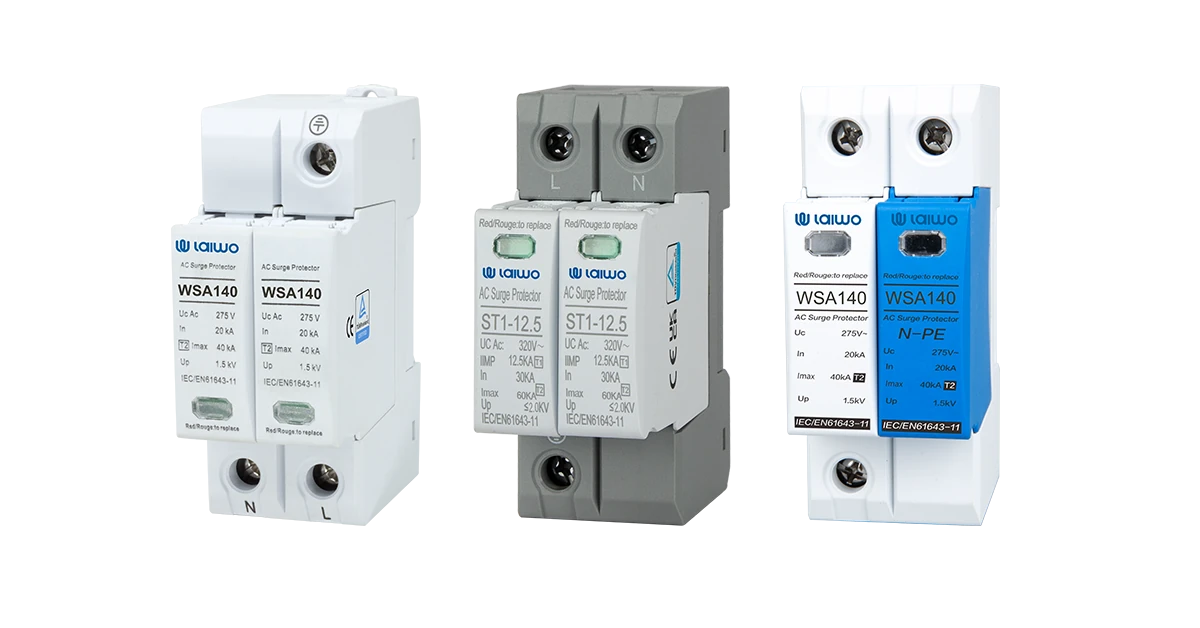
Four numbers decide whether a surge protector suits the position it is going into, and they are usually printed together on the device.
- Type 1 handles direct lightning current and is rated by Iimp; Type 2 handles the residual and switching surges downstream and is rated by In and Imax; combined Type 1+2 devices carry both
- Uc — the maximum continuous voltage the device tolerates without conducting
- Up — the voltage protection level, which is what actually reaches the equipment being protected
- The backup protection required upstream, without which the SPD cannot fail safely
Selection information
- AC or DC system and nominal voltage
- Earthing and system arrangement
- Required SPD type and discharge capability
- Maximum continuous operating voltage
- Backup protection and prospective fault current
Integration in the board
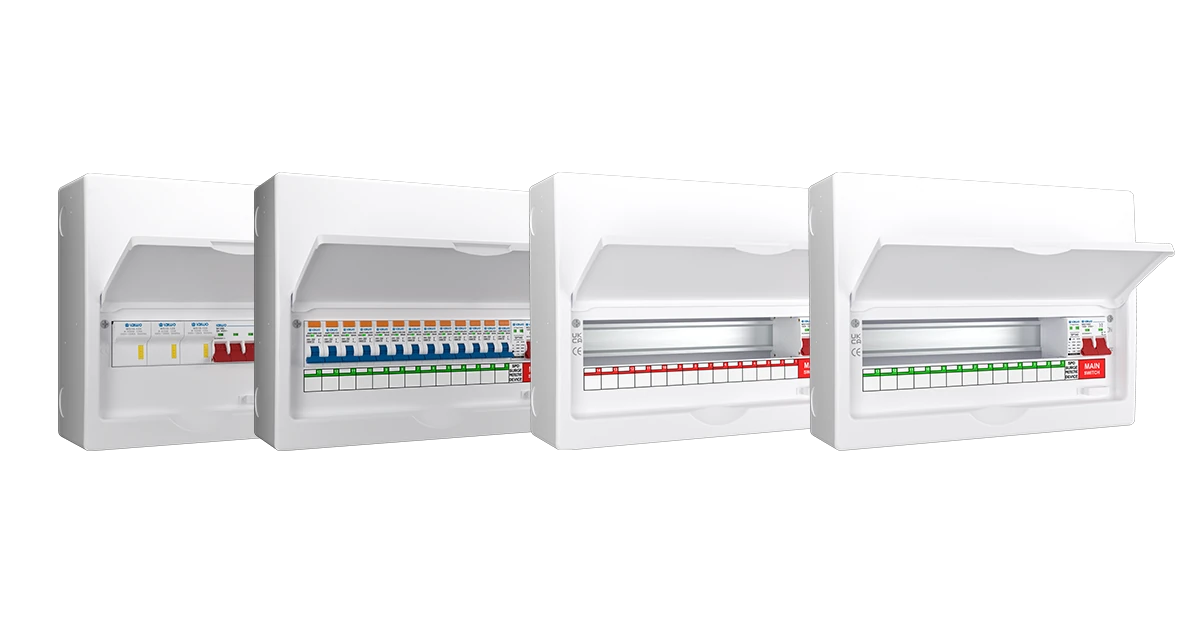
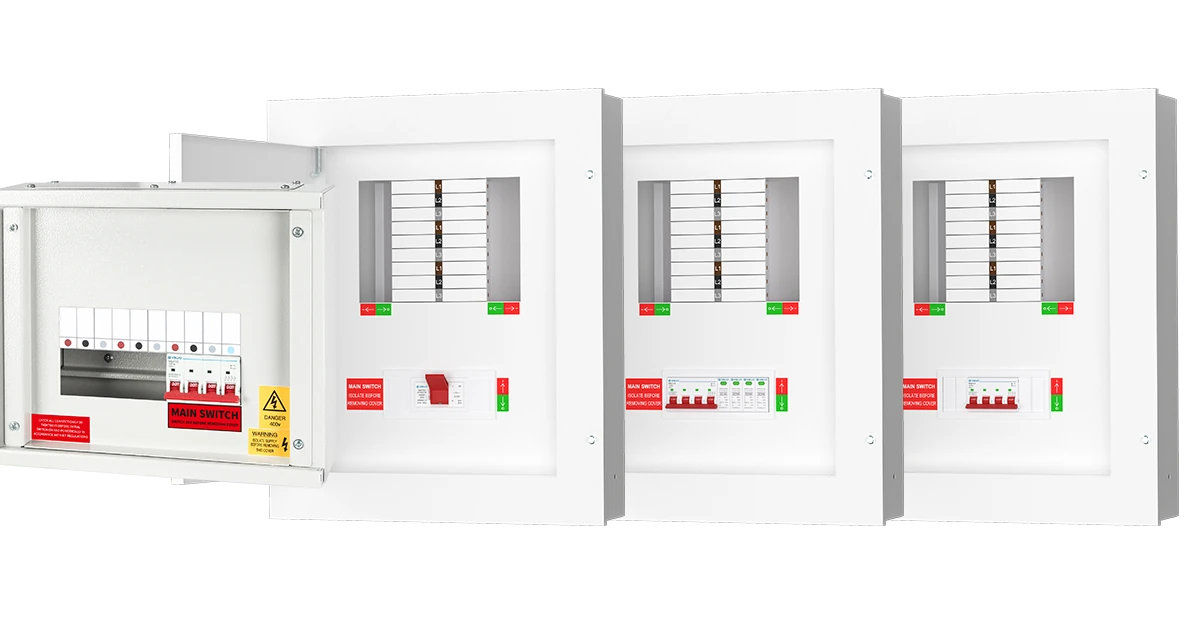
The SPD position, conductor routing and backup device should be considered when the distribution board is configured. A populated board should be supplied with an agreed device list and wiring information.
Documents to request
- SPD technical datasheet
- Board circuit schedule
- Wiring or connection diagram
- Applicable standard and model-level approval evidence
Engineering note
Final product selection must be checked against the project design, destination-market requirements and the approved manufacturer documentation for the exact model.